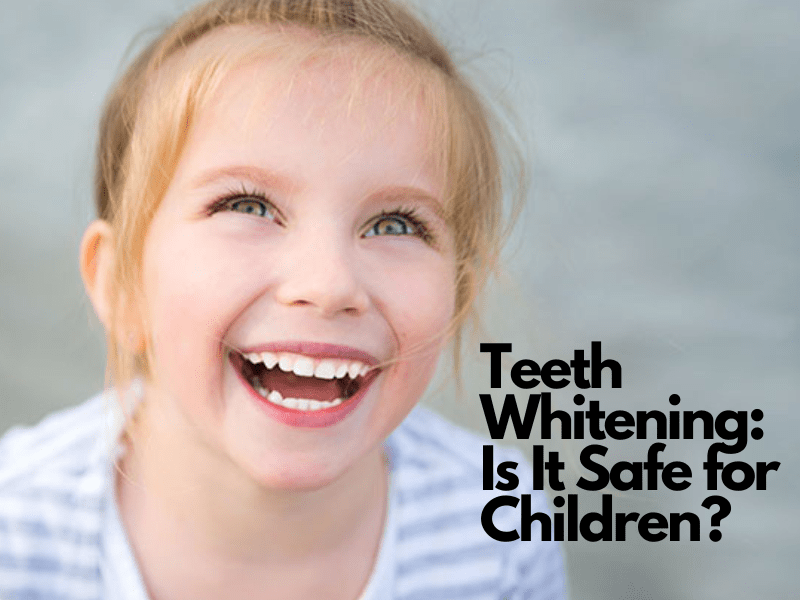
A bright, white smile is something most parents want for their kids — but when it comes to teeth whitening treatments, children’s dental health requires a different approach than adults’. With whitening strips, gels, and kits widely available in stores and online, many parents wonder whether these products are safe to use on young, developing teeth.
Understanding Why Children’s Teeth Look Different
Before considering whitening, it helps to understand why a child’s teeth may appear yellow, dull, or discolored in the first place. Unlike adult teeth, a child’s primary (baby) teeth and even newly erupted permanent teeth have different enamel characteristics.
Common reasons for discoloration in children include:
- Thinner enamel — Baby teeth naturally have thinner, more translucent enamel, which can make the yellowish dentin underneath more visible.
- Poor oral hygiene — Inadequate brushing and flossing can lead to plaque buildup and surface staining.
- Diet — Frequent consumption of sugary drinks, juice, or staining foods (like berries or sauces) can discolor teeth over time.
- Fluorosis — Excessive fluoride exposure during tooth development can cause white or brown spotting on enamel.
- Medications — Certain antibiotics, like tetracycline, taken during early childhood or by a pregnant mother, can cause intrinsic tooth discoloration.
- Trauma or enamel defects — A fall or injury to a tooth, or a developmental condition, can also affect color.
Identifying the cause of discoloration is the first step before considering any whitening treatment.
Read more : Is Teeth Whitening Safe? Everything You Need to Know
Is Teeth Whitening Safe for Children?
The short answer from most pediatric dentists is: teeth whitening is generally not recommended for young children, and should be approached with caution even in teenagers. Here’s why.
1. Developing Enamel Is More Sensitive
Children’s tooth enamel is still maturing well into adolescence. Whitening products typically use peroxide-based bleaching agents (hydrogen peroxide or carbamide peroxide) that penetrate the enamel to break down stains. On developing teeth, this can increase sensitivity and, in some cases, cause irritation to the gums and soft tissues.
2. Baby Teeth Will Fall Out Anyway
Since primary teeth are eventually replaced by permanent teeth, whitening baby teeth offers little long-term benefit and exposes a child to unnecessary chemical exposure for a temporary cosmetic result.
3. Risk of Overuse and Ingestion
Children may not fully understand how to use whitening products correctly, increasing the risk of swallowing bleaching gel, using too much product, or applying it too frequently — all of which can cause stomach upset, gum irritation, or enamel damage.
4. Lack of Long-Term Safety Data
Most whitening products on the market are tested and formulated for adult use. There is limited clinical research on the long-term effects of whitening agents on children’s developing teeth and jaws, which is why dental associations generally advise against it.
Age Recommendations
Most pediatric and cosmetic dentists agree on the following general guidelines:
- Under 14 years old: Whitening is not recommended due to ongoing enamel and root development.
- 14–18 years old: Whitening may be considered only under professional dental supervision, and typically only for permanent teeth that have fully erupted.
- Braces or dental work: Children with braces, fillings, or other orthodontic appliances should avoid whitening, as it can cause uneven coloring once the appliances are removed.
Always consult a pediatric dentist before starting any whitening regimen for a child or teenager.
Safer Alternatives to Whitening for Kids
If your child’s teeth appear discolored, there are safer, more appropriate ways to address the issue than store-bought whitening kits.
- Professional dental cleaning — A routine cleaning can remove surface stains caused by food, drinks, or plaque without the use of bleaching agents.
- Improved oral hygiene habits — Encouraging consistent brushing (twice daily) and flossing can prevent future staining and cavities.
- Dietary adjustments — Limiting sugary drinks, juice, and staining foods can help maintain a brighter, healthier smile naturally.
- Addressing underlying causes — If discoloration is due to fluorosis, medication, or an enamel defect, a dentist can recommend targeted treatments such as microabrasion or bonding, which are more controlled than at-home whitening kits.
- Fluoride treatments — For enamel that has weak spots or early decay, professional fluoride treatments can help strengthen teeth rather than just changing their color.
What Parents Should Watch For
If you’re considering any whitening product for a teenager, or you notice they’re using one without your knowledge, keep an eye out for:
- Increased tooth sensitivity or pain
- Gum redness, swelling, or irritation
- Uneven whitening or blotchy discoloration
- Nausea or stomach discomfort (a sign of possible ingestion)
If any of these symptoms occur, stop use immediately and consult a dentist.
The Bottom Line
While a whiter smile might seem appealing, teeth whitening products are generally not designed or recommended for children due to their developing enamel, potential for irritation, and lack of long-term safety research. Instead of turning to whitening kits, focus on preventive dental care — regular checkups, good oral hygiene, and a tooth-friendly diet — to help your child maintain a naturally healthy, bright smile. If discoloration is a concern, a pediatric dentist can help identify the cause and recommend a safe, age-appropriate solution.
Contact us for more information.
Frequently Asked Questions (FAQs)
At what age can a child start whitening their teeth?
Most dentists recommend waiting until at least 14–16 years old, and only under professional supervision, since younger children’s enamel is still developing.
Can whitening toothpaste be used by kids?
Mild whitening toothpaste for children (without harsh abrasives or bleach) is generally considered safer than gels or strips, but it’s best to check with a dentist first.
Why are my child’s teeth yellow even though they brush regularly?
Yellowing can result from thin enamel, diet, fluorosis, or genetics rather than poor hygiene alone. A dentist can help determine the exact cause.
Are natural or DIY whitening remedies safe for kids?
Not necessarily. Ingredients like baking soda, lemon juice, or charcoal can be abrasive or acidic, potentially damaging young enamel. It’s best to avoid DIY treatments without dental guidance.
What should I do if my teenager wants whiter teeth?
Schedule a consultation with a pediatric or family dentist. They can assess tooth development and recommend safe, supervised whitening options if appropriate.

South Trail Crossing Dental clinic, the dentist near you, delivers a different dentistry that is based on our THREE core philosophies – providing best possible dental care to all our patients, treating each patient as a unique individual with unique needs, and providing integrated treatment addressing simultaneously oral health and systemic or overall health.