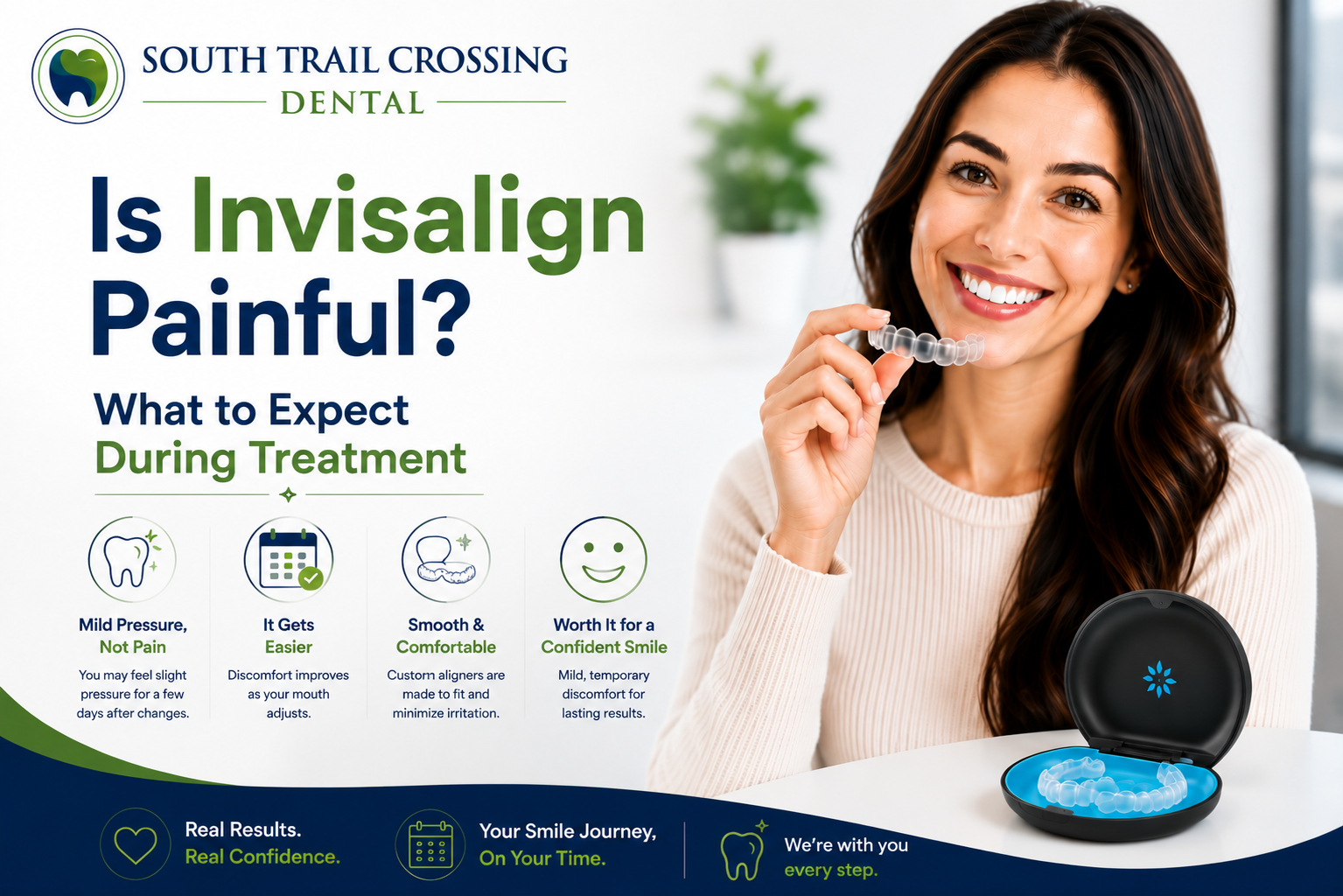
Completing your Invisalign treatment is an exciting milestone. After wearing a series of clear aligners for months, you finally have the straight smile you have been working toward. However, many people are surprised to learn that finishing Invisalign treatment does not mean your orthodontic care is completely over. The period after treatment is just as important because it helps protect the results you have achieved.
Your teeth naturally have a tendency to move throughout life. Without proper care after Invisalign treatment, they can gradually shift back toward their original positions. Fortunately, maintaining your new smile is much easier than the treatment itself. With the right aftercare routine, regular dental visits, and consistent retainer use, you can enjoy your straight teeth for many years.
Your Final Invisalign Appointment
The last appointment is an important part of your Invisalign journey. Your dentist will carefully examine your teeth to make sure they have reached the planned positions and that your bite feels comfortable and balanced. If everything looks as expected, your active Invisalign treatment will officially come to an end.
Sometimes, a few small adjustments are still needed. In these cases, your dentist may recommend a short period of refinement treatment using a few additional aligners. Refinements are common and help achieve the best possible outcome rather than settling for less than ideal results.
Your dentist will also discuss your long-term maintenance plan, which usually includes wearing retainers and scheduling routine follow-up visits.
Why Retainers Are Essential After Invisalign Treatment
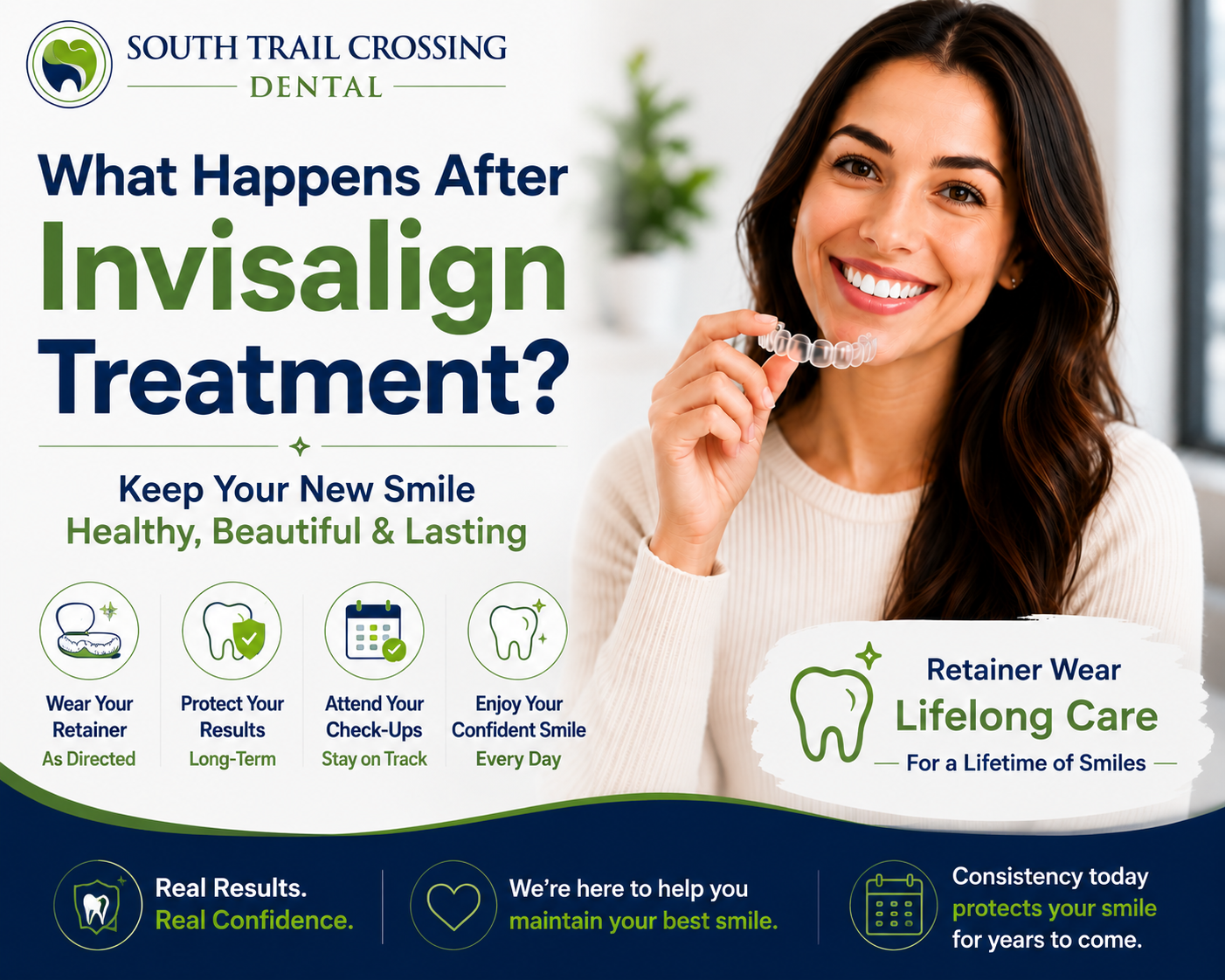
One of the most important parts of post-treatment care is wearing a retainer. Many people believe their teeth will stay in place permanently once the aligners are finished, but this is not how the body works. The gums, bone, and surrounding tissues need time to fully stabilize around the newly positioned teeth.
A retainer holds your teeth in their corrected positions while these supporting structures adapt. Even years after orthodontic treatment, teeth can still shift naturally due to aging, grinding, or changes in the jaw. Wearing a retainer helps prevent unwanted movement and protects the investment you made in your smile.
Skipping your retainer regularly can lead to gradual changes that may eventually require additional orthodontic treatment.
How Often Will You Need to Wear Your Retainer?
Your dentist will provide instructions based on your specific treatment, but most patients follow a similar schedule after Invisalign treatment.
During the first few months, retainers are often worn full-time except when eating, drinking beverages other than water, or brushing the teeth. This allows the supporting tissues to stabilize while reducing the chance of early tooth movement.
Once your dentist confirms that your teeth are stable, you will usually transition to wearing your retainer only while sleeping. Nighttime wear becomes part of your long-term routine and helps preserve your results for years to come.
Following your dentist’s instructions consistently is one of the easiest ways to maintain a healthy, straight smile.
What Type of Retainer Will You Receive?
There are different types of retainers available after Invisalign treatment, and your dentist will recommend the most suitable option for your needs.
Clear removable retainers are the most common choice because they closely resemble Invisalign aligners. They are comfortable, discreet, and easy to clean while providing excellent support for maintaining tooth alignment.
Some patients may receive fixed retainers, which consist of a thin wire bonded to the back of certain teeth. These retainers are not visible during everyday conversations and provide continuous support without requiring daily removal.
The best option depends on your oral health, treatment goals, and lifestyle preferences.
Caring for Your Retainer
Your retainer plays an important role in maintaining your smile, so it deserves proper care. A clean retainer helps prevent bacteria buildup, unpleasant odors, and staining while keeping it comfortable to wear.
Wash your retainer daily using lukewarm water and a soft toothbrush if recommended by your dentist. Avoid using hot water because high temperatures may change the shape of clear retainers, making them less effective.
When your retainer is not being worn, always store it in its protective case. Leaving it wrapped in a napkin or placed loosely on a table increases the risk of damage or accidental loss.
Your dentist may also recommend specific cleaning products designed for retainers to help remove plaque and keep the appliance fresh.
Continue Practicing Good Oral Hygiene
Straight teeth are easier to clean, but maintaining excellent oral hygiene remains essential after Invisalign treatment. Brushing at least twice each day and flossing daily help protect your teeth and gums while preserving your healthy smile.
Regular oral hygiene also prevents plaque buildup around any fixed retainers if you have them. Clean teeth and healthy gums support the long-term success of your orthodontic treatment.
Professional dental cleanings remain an important part of your routine because they remove hardened deposits that cannot be eliminated through brushing alone.
Regular Dental Checkups Still Matter
Even after your Invisalign treatment is complete, routine dental examinations continue to play an important role in your oral health. During these visits, your dentist can monitor your teeth, evaluate your retainer, and identify any signs of movement before they become more significant.
Regular checkups also allow your dental team to examine your gums, detect cavities early, and ensure your bite remains stable.
Attending these appointments helps maintain both the appearance and health of your smile over the long term.
Is Minor Tooth Movement Normal?
Some patients notice very slight changes immediately after finishing Invisalign treatment. Small adjustments can occur as your teeth and surrounding tissues settle into their new positions. This is generally expected and does not necessarily indicate a problem.
However, noticeable shifting or changes in your bite should not be ignored. Contact your dentist if your retainer feels unusually tight after not wearing it or if you notice visible movement in your teeth.
Addressing these concerns early often prevents more extensive treatment later.
Lifestyle Habits That Help Maintain Your Results
Your daily habits can have a significant effect on how well your Invisalign results last. Wearing your retainer consistently remains the most important step, but there are several other habits that also contribute to long-term success.
A balanced diet supports healthy teeth and gums, while limiting sugary snacks reduces the risk of tooth decay. If you participate in sports, wearing a protective mouthguard helps prevent injuries that could affect your teeth or orthodontic results.
If you grind or clench your teeth while sleeping, speak with your dentist. A custom night guard may help protect both your teeth and your retainer from unnecessary wear.
What If You Lose or Break Your Retainer?
Accidents happen, and retainers can occasionally become lost or damaged. If this occurs, contact your dental office as soon as possible. Waiting too long before replacing a retainer increases the chance that your teeth may begin shifting.
Do not attempt to repair a cracked or broken retainer yourself because it may no longer fit properly. Your dentist will evaluate the situation and arrange for a replacement that fits accurately.
Prompt action helps preserve your Invisalign results and reduces the likelihood of needing additional orthodontic treatment.
Can You Whiten Your Teeth After Invisalign Treatment?
Many patients choose professional teeth whitening after completing Invisalign treatment because straight teeth often create an ideal foundation for cosmetic improvements. Whitening can enhance your smile by creating a brighter, more even appearance.
Before starting any whitening treatment, discuss your options with your dentist. They can recommend the safest and most effective method based on your oral health and cosmetic goals.
Combining straight teeth with a brighter smile often provides a noticeable boost in confidence.
How Long Will Your Invisalign Results Last?
With proper aftercare, Invisalign results can last for many years and even a lifetime. The key is following your dentist’s recommendations, wearing your retainer as instructed, and maintaining regular dental care.
Your teeth will naturally experience small changes as you age, but consistent retainer use significantly reduces unwanted movement. Patients who remain committed to their maintenance routine often continue enjoying straight, healthy smiles decades after treatment.
Protecting your results requires only a small daily commitment compared to the time invested in achieving your new smile.
Conclusion
Finishing Invisalign treatment marks the beginning of a new phase rather than the end of your orthodontic journey. Your beautifully aligned teeth deserve ongoing care to remain healthy, stable, and attractive for years to come. Wearing your retainer consistently, maintaining excellent oral hygiene, and attending regular dental checkups all work together to protect your investment.
If you have recently completed Invisalign treatment or are approaching the end of your aligner journey, speak with your dentist about your personalized retention plan. Following professional guidance will help you enjoy the confidence and comfort of your new smile long into the future. Contact us for information

South Trail Crossing Dental clinic, the dentist near you, delivers a different dentistry that is based on our THREE core philosophies – providing best possible dental care to all our patients, treating each patient as a unique individual with unique needs, and providing integrated treatment addressing simultaneously oral health and systemic or overall health.