A missing tooth can affect your smile, chewing ability, speech, and confidence. A dental bridge is one of the most common fixed solutions for replacing missing teeth and restoring a more complete smile. But before choosing this treatment, one of the most common questions patients ask is: How long do dental bridges last?
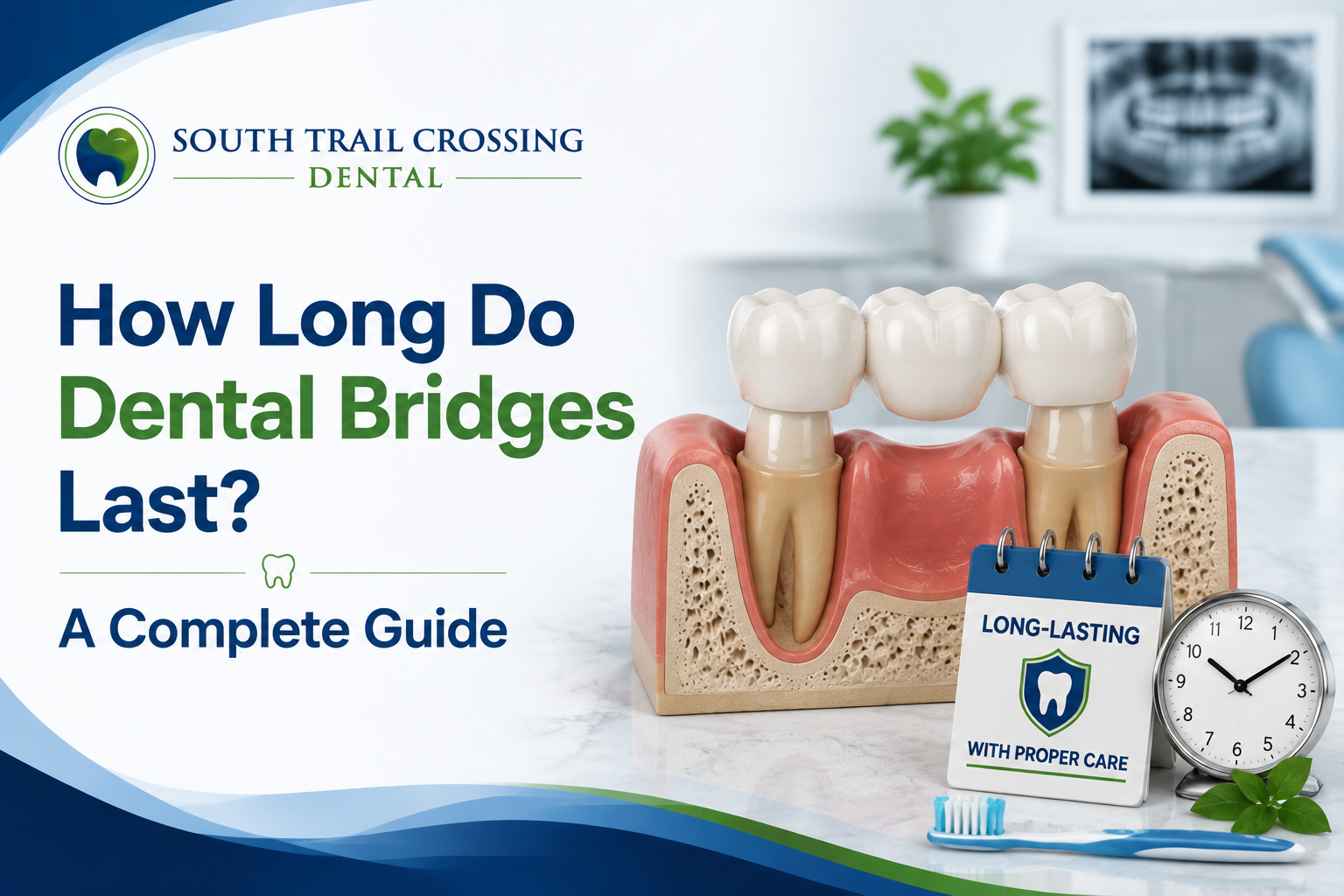
In general, dental bridges can last approximately 5 to 15 years, although some may remain functional for longer with proper care and regular dental checkups. Their lifespan depends on several factors, including the type of bridge, the health of the supporting teeth and gums, oral hygiene, eating habits, and the amount of pressure placed on the restoration.
How Long Do Dental Bridges Last?
A well-maintained dental bridge can commonly last between 5 and 15 years. However, this range is not a fixed expiration date. Some bridges may need replacement sooner, while others can continue functioning comfortably for many years beyond the typical range.
The condition of the teeth or dental implants supporting the bridge is particularly important. Even if the bridge itself appears intact, problems such as tooth decay, gum disease, fractures, or damage to the supporting structures can affect its performance.
Regular dental examinations allow your dentist to monitor the bridge, supporting teeth, gums, and bite. Identifying potential problems early may help prevent more extensive complications.
What Factors Affect the Lifespan of a Dental Bridge?
Several factors can influence how long your bridge lasts.
1. Type of Dental Bridge
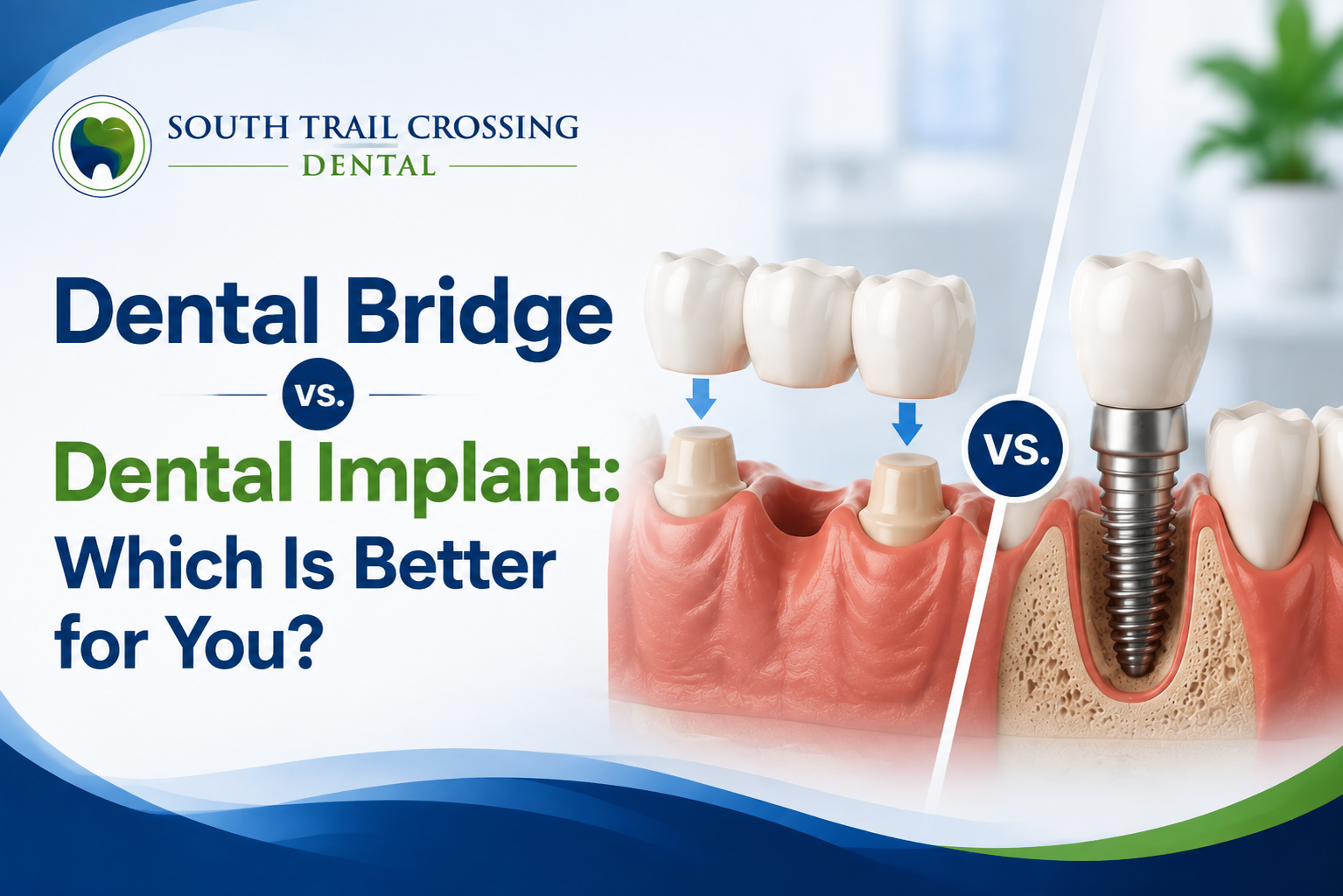
Different types of dental bridges are designed for different situations. Traditional bridges are supported by neighbouring natural teeth, while implant-supported bridges use dental implants as their foundation. Cantilever and Maryland bridges may also be appropriate in certain cases.
The best type depends on factors such as the number and location of missing teeth and the condition of your surrounding teeth and gums.
2. Health of Supporting Teeth
If your bridge is supported by natural teeth, those teeth need to remain healthy and strong. Cavities, fractures, or other dental problems can compromise the foundation supporting the restoration.
Maintaining good oral hygiene and attending regular dental appointments can help protect these important supporting teeth.
3. Gum Health
Healthy gums are essential for maintaining a healthy smile and supporting the structures around a dental bridge. Plaque buildup around the restoration can contribute to gum irritation and disease.
If you notice persistent redness, swelling, tenderness, or bleeding around your bridge, it is important to have the area professionally examined.
4. Oral Hygiene
A dental bridge does not eliminate the need for daily brushing and interdental cleaning. Food particles and plaque can accumulate around and underneath the restoration.
Brush your teeth twice daily with fluoride toothpaste and clean between your teeth every day. Depending on your bridge design, your dentist may recommend floss threaders, interdental brushes, or other cleaning aids.
5. Eating and Daily Habits
Certain habits can place excessive stress on a dental bridge. Chewing ice, biting hard objects, opening packages with your teeth, and frequently consuming extremely hard foods may increase the risk of damage.
Teeth grinding and clenching can also put additional pressure on dental restorations. If you grind or clench your teeth, discuss protective options with your dentist.
How Can You Make Your Dental Bridge Last Longer?
Taking care of your bridge starts with maintaining good oral hygiene. Brush thoroughly twice a day and pay attention to the areas around the bridge and gumline.
Regular dental checkups are equally important. During these visits, your dentist can evaluate the bridge, supporting teeth, gums, and bite. Professional cleanings can also remove hardened buildup that cannot be removed easily through brushing alone.
Avoid using your teeth to bite hard objects and contact your dental office if you notice any changes in the way your bridge feels.
What Are the Signs That a Dental Bridge Needs Attention?
A healthy dental bridge should feel stable and comfortable during normal activities. If your bridge becomes loose, painful, cracked, or uncomfortable, it should be evaluated by a dentist.
Other signs that may require attention include:
- Sensitivity around the supporting teeth
- Swollen or bleeding gums
- Difficulty chewing
- Changes in your bite
- Visible cracks or damage
- A bridge that feels loose or unstable
- Persistent discomfort around the restoration
Do not attempt to repair a loose or damaged bridge yourself. Professional assessment is important because the underlying cause may involve the bridge, supporting tooth, gums, or bite.
Does a Dental Bridge Need to Be Replaced After 10 Years?
Not necessarily. A dental bridge does not automatically need to be replaced simply because it has been in place for 10 years.
If the restoration remains comfortable, structurally sound, and properly supported by healthy teeth or implants, your dentist may recommend continuing to monitor it.
Replacement becomes more likely when a bridge is damaged, worn, poorly fitting, or affected by problems involving its supporting structures. Regular dental examinations are therefore more useful than relying on the age of the bridge alone.
Can a Dental Bridge Be Replaced?
Yes, dental bridges can generally be replaced when they are no longer suitable.
Before replacing a bridge, your dentist will assess the restoration and examine the supporting teeth, gums, and surrounding structures. If decay or gum disease is present, these issues may need to be addressed before a replacement bridge is placed.
Depending on changes in your oral health, your dentist may also discuss alternative tooth replacement options, including dental implants.
Dental Bridges vs. Dental Implants
Both dental bridges and dental implants can replace missing teeth, but they work differently.
A dental bridge fills the gap by using neighbouring teeth or implants for support. A dental implant is placed into the jawbone and can support a replacement tooth without depending on neighbouring natural teeth in the same way.
The right option depends on your oral health, jawbone condition, gum health, number of missing teeth, treatment preferences, and long-term goals.
Contact us for more information
Frequently Asked Questions About Dental Bridges
How long do dental bridges usually last?
Dental bridges commonly last approximately 5 to 15 years with appropriate care. Their actual lifespan varies depending on oral hygiene, bridge type, supporting teeth, gum health, eating habits, and regular dental care.
Can a dental bridge last 20 years?
Some bridges may remain functional for 20 years or longer, but this cannot be guaranteed. The health of the supporting teeth or implants and consistent oral hygiene are important factors in long-term success.
Is it difficult to clean under a dental bridge?
Cleaning underneath a bridge can require additional attention because a regular toothbrush may not reach every area. Your dentist can recommend suitable tools, such as a floss threader or interdental brush.
What happens if my dental bridge becomes loose?
A loose bridge should be examined by a dentist as soon as possible. It may indicate an issue with the restoration, supporting tooth, surrounding tissues, or fit. Avoid putting unnecessary pressure on the area until it has been assessed.
Can I eat normally with a dental bridge?
Most patients can return to a normal diet after adjusting to their bridge. However, it is wise to avoid extremely hard foods and objects that could place excessive force on the restoration.
Can a dental bridge get cavities?
The artificial tooth itself cannot develop a cavity because it is not natural tooth structure. However, the natural teeth supporting the bridge can develop decay, which is why proper cleaning and regular examinations remain important.
Are dental bridges permanent?
Dental bridges are considered fixed restorations because patients generally do not remove them each day. However, they are not necessarily permanent for life and may eventually require repair or replacement.
When should I see a dentist about my bridge?
Contact your dentist if your bridge becomes loose, painful, cracked, or uncomfortable. Bleeding gums, swelling, sensitivity, or difficulty chewing around the bridge should also be professionally evaluated.
Protect Your Dental Bridge for the Long Term
Knowing how long dental bridges last can help you understand what to expect from your restoration, but your daily habits can significantly influence its longevity. Maintaining good oral hygiene, protecting the supporting teeth and gums, avoiding damaging habits, and attending regular dental visits can all contribute to long-term results.
If you have a dental bridge or are considering one to replace a missing tooth, the team at South Trail Crossing Dental can help you understand your treatment options and ongoing care needs. A professional evaluation can determine whether a dental bridge is appropriate for your smile and help you maintain your restoration for years to come.

South Trail Crossing Dental clinic, the dentist near you, delivers a different dentistry that is based on our THREE core philosophies – providing best possible dental care to all our patients, treating each patient as a unique individual with unique needs, and providing integrated treatment addressing simultaneously oral health and systemic or overall health.