Dental implants are a reliable way to replace missing teeth and restore both the appearance and function of your smile. However, getting a dental implant is a process rather than a single appointment. After the implant is placed, your gums and jawbone need time to heal before the final restoration can be completed.
If you are considering dental implants in SE Calgary, knowing what to expect during recovery can make the experience feel much easier to manage. While every patient heals at a different rate, there are some common stages that most people experience.
Here is a general week-by-week look at dental implant recovery, from the first day after surgery through the months when the implant becomes securely integrated with the jawbone.
What Happens During Dental Implant Surgery?
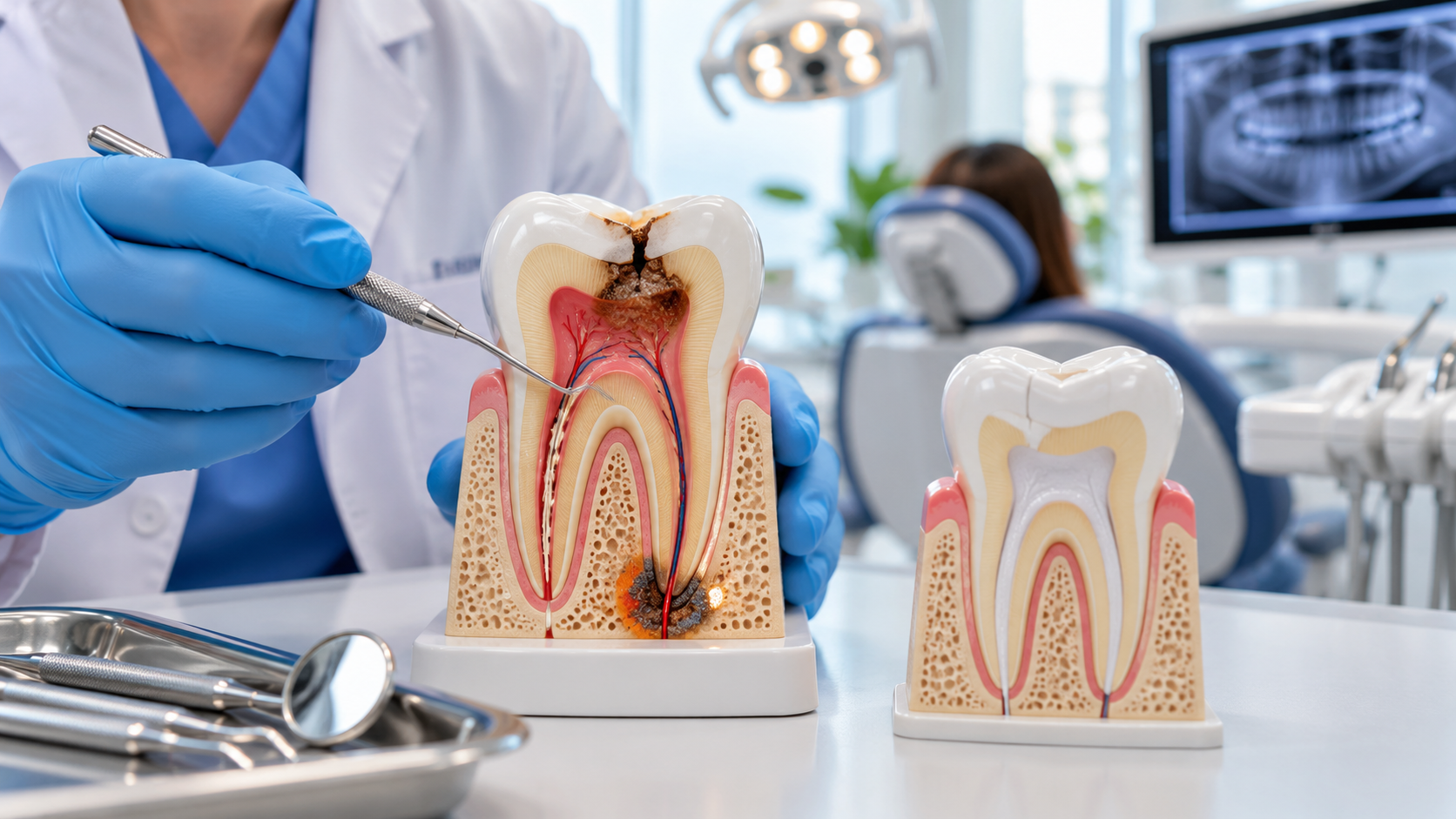
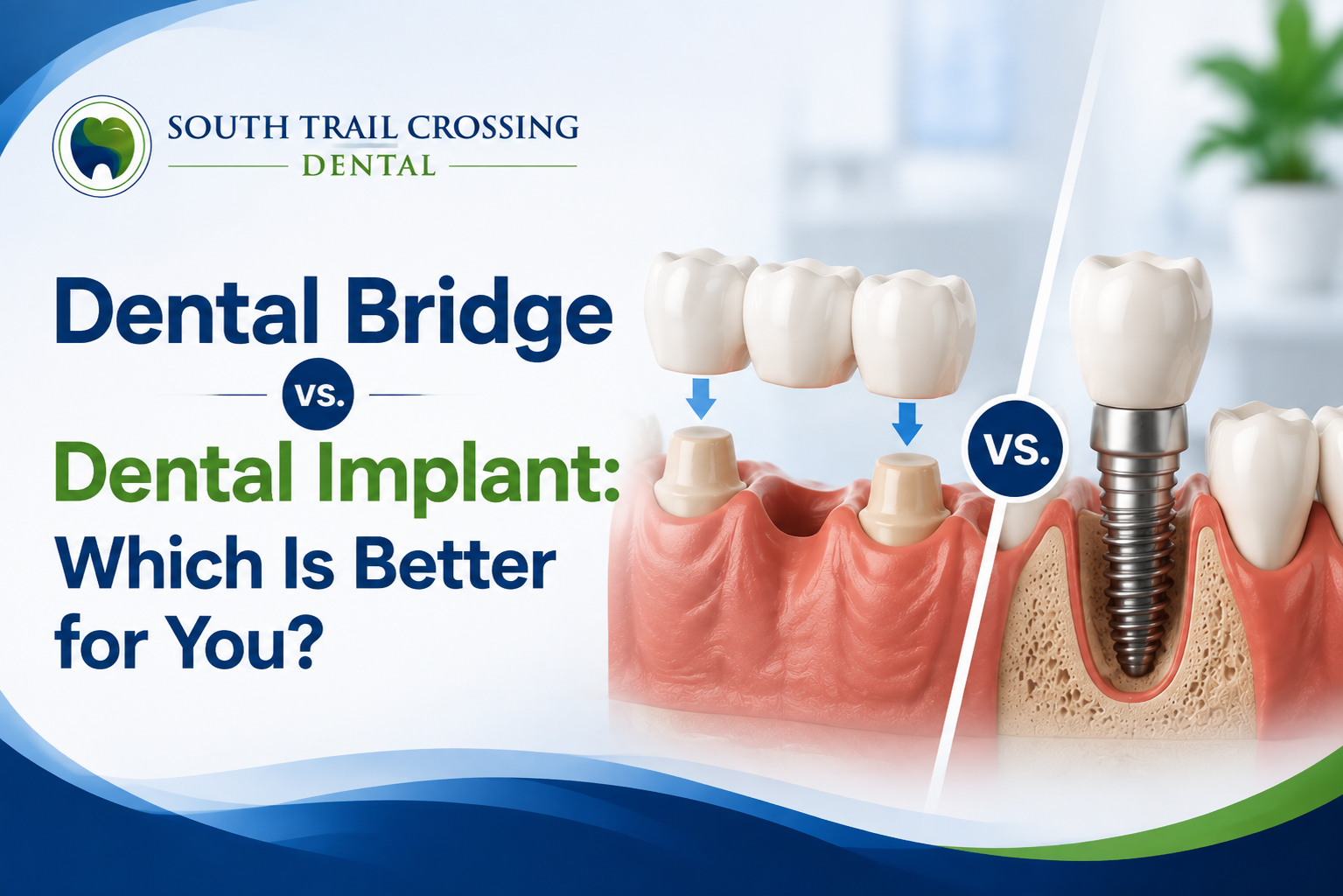
A dental implant is a small post that is placed into the jawbone to replace the root of a missing tooth. After placement, the surrounding bone gradually heals around the implant. This process is known as osseointegration and is what creates a stable foundation for the replacement tooth.
Once the implant has healed sufficiently, an abutment and dental crown can be attached to complete the restoration.
Some patients receive an implant after the area has already healed following a tooth removal. In certain situations, an implant may be placed at the same appointment as a tooth extraction. If you are wondering whether this may be an option for you, you can also read our guide on getting a dental implant immediately after a tooth extraction.
Your exact treatment and recovery timeline will depend on factors such as your oral health, the number and location of implants, your bone quality, whether bone grafting is required, and how your body responds to treatment.
The First 24 to 48 Hours: Rest and Protect the Area
The first couple of days after dental implant surgery are usually when patients notice the most tenderness.
Some minor bleeding or oozing, swelling, and soreness around the surgical area can be expected. Your dentist will provide specific aftercare instructions based on your procedure.
During this early stage, rest is important. Avoid strenuous physical activity and try not to disturb the surgical area.
You will usually need to choose soft foods that require little chewing. Foods such as yogurt, mashed potatoes, scrambled eggs, applesauce, oatmeal, and lukewarm soup may be easier to eat. Avoid very hot, hard, crunchy, or sticky foods around the treatment area.
If your dentist has prescribed or recommended medication, take it according to their instructions.
Good oral hygiene remains important, but the implant site needs to be treated gently. Follow the cleaning instructions provided by your dentist rather than brushing aggressively around the surgical area.
Week 1: Swelling and Tenderness Begin to Improve
During the first week, your gums begin the early stages of healing.
Swelling is often more noticeable during the first few days and should then gradually improve. Mild tenderness may remain, particularly when chewing or touching the area.
Most people are able to return to work and many of their usual activities within a few days, although this can vary depending on the extent of the procedure.
Continue choosing foods that are comfortable to chew and avoid putting unnecessary pressure directly on the implant site. Gradually introduce firmer foods only when the area feels comfortable and your dentist says it is appropriate.
Oral hygiene is especially important during this stage because keeping the mouth clean helps support healthy healing. Carefully follow your dentist’s instructions about brushing and cleaning around the implant.
Patients who have concerns about maintaining their gums and teeth can learn more about professional dental hygiene and teeth cleaning at South Trail Crossing Dental.
Week 2: The Gums Continue to Heal
By the second week, many patients feel significantly more comfortable.
Swelling and tenderness should generally be much lower than they were during the first few days. The gum tissue around the surgical area continues to close and heal.
Depending on your procedure, your dentist may schedule a follow-up appointment to check the area and make sure healing is progressing as expected.
Even though you may feel much better at this point, the implant is not fully healed.
The important process happening beneath your gums is only beginning. Your jawbone needs time to develop a secure connection with the implant. Avoid assuming that feeling better means the implant is ready for normal chewing pressure.
Continue following your dentist’s recommendations, particularly regarding oral hygiene and food choices.
Weeks 3 and 4: Everyday Life Starts Feeling Normal Again
For many patients, the implant site feels considerably more normal by the third or fourth week.
The gums have usually made good progress in healing, and everyday activities such as speaking and eating become more comfortable. You may be able to return to a more varied diet, depending on your dentist’s instructions and the location of your implant.
However, healing beneath the surface is still taking place.
The jawbone is continuing to grow around and bond with the implant. This stage is essential to creating the stability needed to support the final replacement tooth.
Because the area may no longer be painful, it can be easy to forget that the implant is still healing. Avoid biting unusually hard foods directly on the implant area unless your dentist has confirmed that it is safe to do so.
Weeks 4 to 8: Bone Healing Continues
At this point, most patients are no longer thinking about the surgical area throughout the day. Your gums may feel normal, but the implant and jawbone are still undergoing an important healing process.
Osseointegration takes place gradually and cannot be rushed.
During this period, maintaining healthy gums becomes particularly important. Gum inflammation or infection around an implant can interfere with its long-term health.
Brush and floss according to your dental team’s recommendations and keep up with scheduled dental appointments.
If you have a history of periodontal problems, learning more about gum disease treatment and periodontal maintenance may also be useful. Healthy gum tissue provides important support around both natural teeth and dental implants.
Months 2 to 6: The Implant Bonds With the Jawbone
Although the gums may heal relatively quickly, complete integration of a dental implant with the jawbone generally takes much longer.
For many patients, this stage lasts several months. The exact amount of time depends on your individual circumstances.
Your dentist will monitor the implant to determine when it has become stable enough for the next stage of treatment. It is important not to compare your recovery timeline too closely with someone else’s. A longer healing period does not necessarily mean that something is wrong.
Once sufficient healing has occurred, your dentist can move forward with the steps required to restore the implant with a natural-looking replacement tooth.
If you are still comparing tooth replacement choices, our article Dental Implants vs. Dentures: Which Is Right for You? explains some of the differences between these options.
You can also explore our complete guide to dental implants and replacing missing teeth for a broader look at implant treatment and its benefits.
When Is the Final Dental Crown Placed?
The timing of the permanent crown varies from patient to patient.
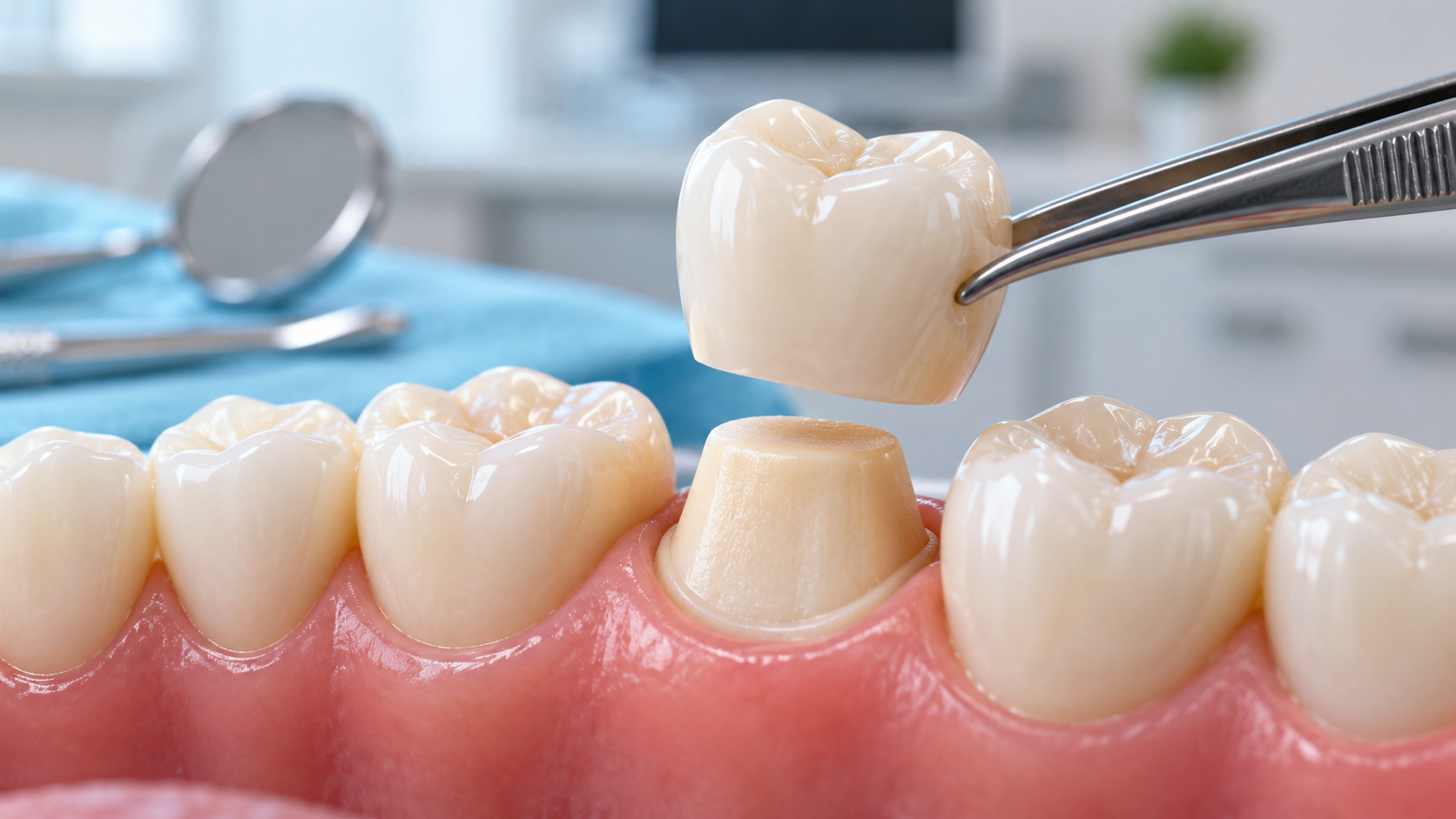
Your dentist will first make sure that the implant has healed properly and is stable within the jawbone. Once it is ready, an abutment is used to connect the implant with the final restoration.
A custom dental crown is then designed to complement the size, shape, and appearance of the surrounding teeth.
After the restoration has been placed, the implant should feel increasingly natural as you become accustomed to chewing and speaking with it.
What Can Affect Dental Implant Recovery?
Two people receiving similar implants may have different recovery experiences.
Healing can be influenced by your general health, the condition of your gums and jawbone, the location of the implant, the complexity of the surgery, oral hygiene habits, smoking, and whether additional procedures such as bone grafting were required.
Following your dentist’s aftercare instructions is one of the most important things you can do during recovery.
Regular dental care remains important after the implant has healed as well. Dental implants cannot develop cavities, but the gum and bone supporting them still need to remain healthy.
What Should You Avoid While a Dental Implant Is Healing?
During the early healing period, avoid putting excessive pressure on the implant site. Hard or very crunchy foods can irritate the area, especially soon after surgery.
Smoking can also interfere with oral healing and may increase the risk of complications. If you smoke, discuss this with your dentist before implant treatment.
You should also avoid skipping your recommended follow-up appointments simply because the implant feels comfortable. These visits give your dentist an opportunity to evaluate healing beneath the surface.
Patients who feel nervous about implant surgery or other dental procedures can also ask our team about sedation dentistry and the options available to help make treatment more comfortable.
When Should You Contact Your Dentist During Recovery?
Some soreness, swelling, and tenderness after implant surgery are expected. These symptoms should generally improve as healing progresses.
Contact your dental office if you notice symptoms that are severe, worsening, or unexpected. These may include increasing pain after it had started to improve, significant or persistent swelling, uncontrolled bleeding, fever, discharge from the surgical area, or an implant that feels loose.
You should also contact your dentist if you are simply unsure whether something you are experiencing is normal. It is always better to have a concern evaluated rather than ignore it.
Tips for a Smooth Dental Implant Recovery
A successful recovery depends on both professional care and what you do at home. Follow the instructions given by your dentist, maintain good oral hygiene, choose appropriate foods during early recovery, attend follow-up visits, and avoid habits that may interfere with healing.
Most importantly, give your body enough time to heal.
Dental implants are designed as a long-term tooth replacement solution, and allowing proper healing helps create the strong foundation needed for your final restoration.
Considering Dental Implants in SE Calgary?
Dental implant recovery involves several stages, but most patients find that the initial discomfort improves relatively quickly. The gums begin healing within the first few weeks, while the jawbone continues bonding with the implant over the following months.
Because every patient is different, the timeline above should be viewed as a general guide rather than an exact schedule.
If you are missing one or more teeth and would like to find out whether dental implants may be suitable for you, the team at South Trail Crossing Dental can evaluate your oral health and discuss your treatment options.
Learn more about our dental implant treatment in SE Calgary, or contact South Trail Crossing Dental to schedule a consultation.

South Trail Crossing Dental clinic, the dentist near you, delivers a different dentistry that is based on our THREE core philosophies – providing best possible dental care to all our patients, treating each patient as a unique individual with unique needs, and providing integrated treatment addressing simultaneously oral health and systemic or overall health.