Starting Invisalign treatment is an exciting step toward achieving a straighter and healthier smile. Many patients choose Invisalign because it offers a discreet alternative to traditional braces while allowing them to maintain their normal daily routine. The clear aligners are removable, comfortable, and designed to gradually move teeth into their ideal positions.
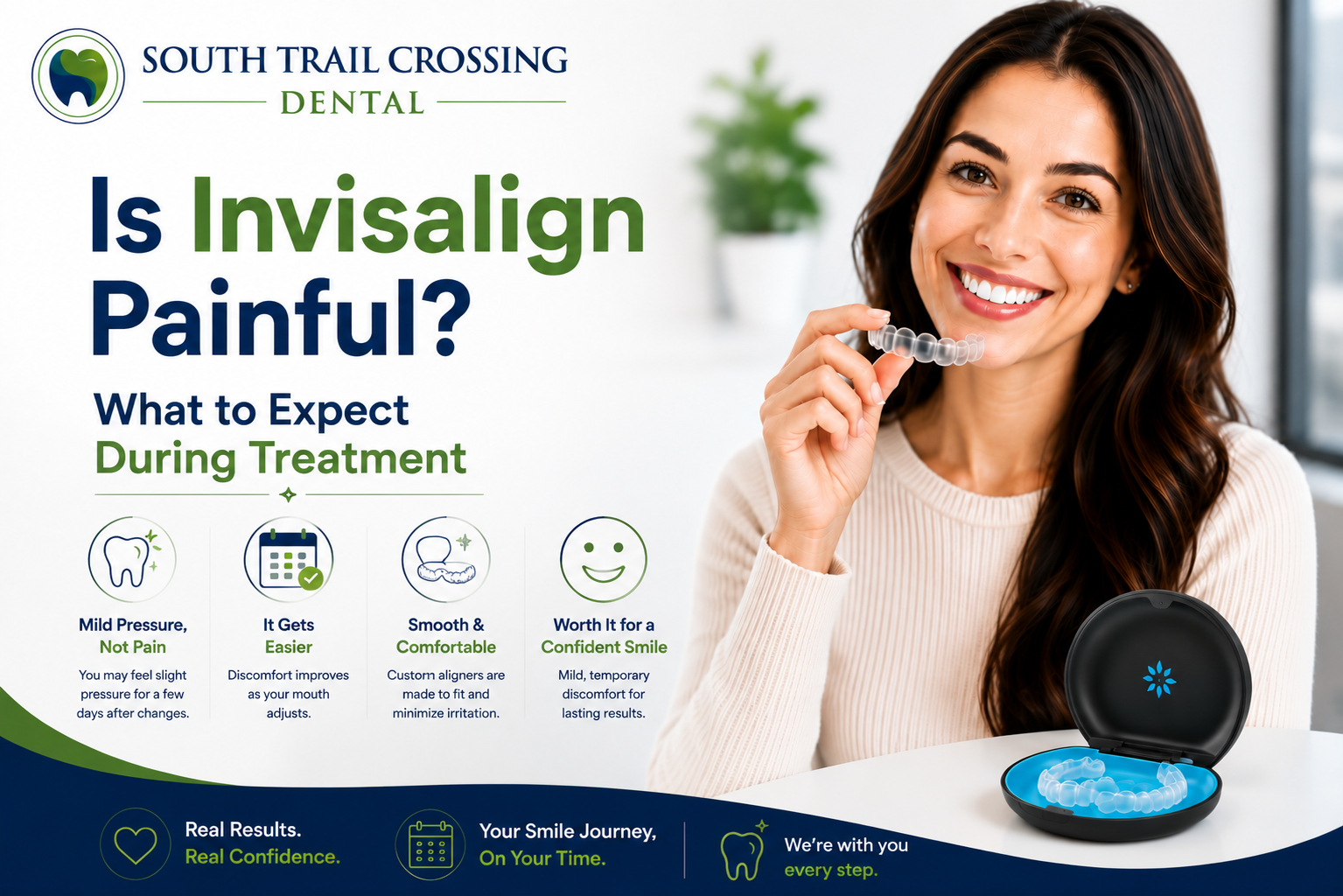
However, one of the most common questions patients ask before beginning treatment is, “Is Invisalign painful?” The simple answer is that Invisalign is generally not painful, but some temporary discomfort is normal. Since the aligners work by applying gentle pressure to move your teeth, you may notice tightness, pressure, or mild soreness, especially when starting a new set of aligners.
Understanding what Invisalign discomfort feels like and knowing what to expect during treatment can help you feel more prepared. If you are considering clear aligners for your smile, scheduling an Invisalign consultation with an experienced dental team can help you understand whether this treatment is right for your needs.
Why Does Invisalign Cause Discomfort?
Invisalign works by using a series of custom-made clear aligners that gradually guide your teeth into better alignment. Each aligner is slightly different and designed to move specific teeth at each stage of treatment.
The gentle pressure created by the aligners is what allows your teeth to shift over time. This pressure may cause temporary discomfort because your teeth and surrounding tissues are adjusting to their new positions.
Most patients describe Invisalign discomfort as pressure or tightness rather than pain. This feeling is usually strongest when wearing a new set of aligners and becomes less noticeable as your mouth adjusts.
Unlike traditional braces, Invisalign does not use metal brackets or wires that can rub against your cheeks and gums. This makes the overall experience more comfortable for many patients.
What Does Invisalign Pain Feel Like?
Everyone experiences Invisalign treatment differently. Some patients barely notice any discomfort, while others feel mild soreness for a few days after changing aligners.
Common sensations during Invisalign treatment include:
Tightness or Pressure on Teeth
The most common feeling is pressure on certain teeth. This happens because the aligners are actively guiding your teeth toward their planned positions.
This pressure is usually a positive sign because it means your aligners are working as intended. It often decreases after the first few days of wearing a new tray.
Mild Tooth Sensitivity
Some patients experience temporary sensitivity while chewing, especially after switching to a new aligner. This happens because the teeth are adjusting to movement.
Eating softer foods during the first few days of a new aligner can make the adjustment period more comfortable.
Slight Gum or Lip Irritation
Although Invisalign aligners are made from smooth plastic, the edges may occasionally feel noticeable when you first begin treatment. In most cases, your mouth adapts quickly.
If an aligner feels uncomfortable or causes irritation, your dentist can check the fit and make recommendations to improve your comfort.
When Is Invisalign Discomfort Most Noticeable?
Most Invisalign discomfort occurs during two main stages: when you first begin treatment and when you switch to a new aligner.
During the first few days of treatment, your teeth are adjusting to the pressure created by the aligners. This is usually when patients notice the biggest change.
After that, discomfort may return slightly every one to two weeks when moving to a new aligner. Since each tray continues the progress of the previous one, mild pressure is expected.
The good news is that most patients find this adjustment period becomes easier as they continue treatment.
How Long Does Invisalign Pain Last?
For most people, Invisalign discomfort lasts only a few days. The pressure is usually most noticeable during the first twenty-four to seventy-two hours after starting a new aligner.
As your teeth adapt, the discomfort gradually decreases. Staying consistent with your aligner schedule is important because removing aligners frequently can make the adjustment period longer.
If you experience severe pain or discomfort that does not improve, it is important to contact your dentist. Your dental provider can check whether your aligner fits properly or whether any adjustments are needed.
Is Invisalign More Comfortable Than Traditional Braces?
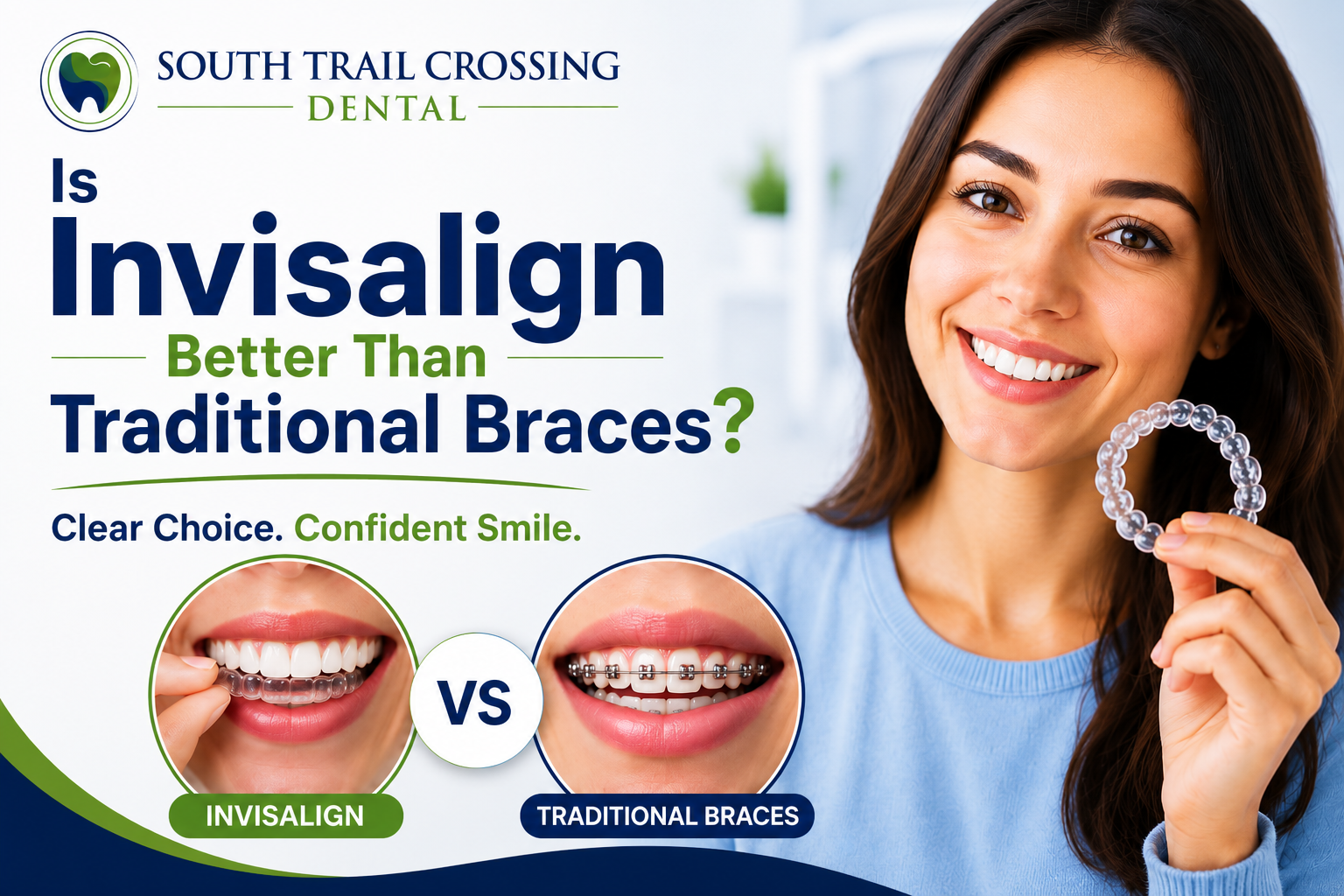
Many patients choose Invisalign because it provides a more comfortable orthodontic experience compared with traditional metal braces.
Traditional braces use brackets and wires that can sometimes irritate the cheeks, lips, or gums. Invisalign aligners are smooth, removable, and custom-designed to fit your teeth.
Another advantage is that Invisalign allows you to remove the aligners while eating and brushing your teeth. This makes maintaining your oral hygiene easier throughout treatment.
If you are unsure whether Invisalign or another orthodontic option is suitable for your smile goals, a professional evaluation can help you make an informed decision.
Tips to Make Invisalign More Comfortable
Although Invisalign discomfort is usually mild, there are several ways to make your treatment experience easier.
Start New Aligners Before Bed
Many patients find it helpful to put in a new set of aligners before going to sleep. This allows your teeth to begin adjusting while you are resting.
Wear Your Aligners as Recommended
Keeping your aligners in place for the recommended twenty to twenty-two hours each day helps your teeth move according to the treatment plan.
Wearing them inconsistently may increase discomfort because your teeth may not adjust properly before moving to the next stage.
Keep Your Aligners Clean
Clean aligners help maintain good oral hygiene and improve comfort. Rinse your aligners regularly and follow your dentist’s cleaning instructions.
Along with Invisalign care, maintaining regular dental hygiene appointments helps keep your teeth and gums healthy throughout treatment. Professional cleanings can remove buildup and support better oral health while you work toward your new smile. (
Use Cold Water for Temporary Relief
Drinking cool water may help soothe mild discomfort when your teeth feel sensitive. Staying hydrated also supports overall oral health.
Can Invisalign Cause Severe Pain?
Invisalign should not cause severe pain. Mild pressure and temporary soreness are normal parts of the tooth movement process, but intense discomfort is not expected.
You should contact your dentist if:
- Your aligner does not fit properly.
- You experience ongoing pain.
- Your aligner becomes damaged.
- An attachment becomes loose.
- You notice unexpected changes in your bite.
Early communication with your dental team helps prevent delays and keeps your treatment progressing smoothly.
How Often Will You Need Invisalign Checkups?
Regular Invisalign checkups are an important part of successful treatment. Although Invisalign requires fewer appointments than traditional braces, your dentist still needs to monitor your progress.
During these visits, your dentist checks how your teeth are moving, confirms that your aligners fit properly, and provides guidance for the next stage of treatment.
South Trail Crossing Dental provides Invisalign clear aligner treatment for children, teens, and adults, helping patients work toward straighter smiles with personalized treatment plans.
What Happens After Invisalign Treatment?
Once you complete your Invisalign treatment, your dentist will provide guidance on maintaining your results. Wearing retainers is usually recommended because teeth can naturally shift over time.
A retainer helps keep your teeth in their new positions and protects the results you achieved during treatment.
Maintaining good oral hygiene, attending regular dental appointments, and following your dentist’s recommendations will help you enjoy your straighter smile for years.
Conclusion
So, is Invisalign painful? For most patients, Invisalign is not painful, but mild pressure and temporary discomfort are normal parts of the treatment process. This sensation occurs because the aligners are gently moving your teeth into better alignment.
The discomfort is usually short-lasting and becomes easier to manage as your mouth adjusts. By wearing your aligners consistently, maintaining good oral hygiene, and attending your Invisalign checkups, you can enjoy a smoother treatment experience.
If you are considering Invisalign and want to learn whether clear aligners are right for you, a consultation with a dental professional can help you understand your options and begin your journey toward a healthier, more confident smile.

South Trail Crossing Dental clinic, the dentist near you, delivers a different dentistry that is based on our THREE core philosophies – providing best possible dental care to all our patients, treating each patient as a unique individual with unique needs, and providing integrated treatment addressing simultaneously oral health and systemic or overall health.