A root canal treatment is often the best way to save a tooth that has been badly damaged by decay, infection, or injury. Many patients worry about whether the treated tooth will last for years or if they will eventually lose it. The good news is that a properly treated tooth can remain healthy and functional for many years, and in many cases, it can last a lifetime with the right care.
At South Trail Crossing Dental, we believe that understanding your treatment helps you feel more confident about your oral health. If you are considering root canal treatment SE Calgary or looking for reliable root canal treatment Calgary, knowing what influences the lifespan of a treated tooth can help you make informed decisions and protect your smile for years to come.
What Is Root Canal Treatment?
Root canal treatment is a dental procedure that removes infected or damaged tissue from inside a tooth. The soft tissue inside the tooth, known as the pulp, contains nerves and blood vessels. When bacteria reach this area because of deep decay, cracks, or trauma, the pulp becomes inflamed or infected.
During treatment, your dentist carefully removes the infected pulp, cleans the inside of the tooth, shapes the root canals, and seals them to prevent bacteria from returning. In many cases, the tooth is then restored with a dental crown to provide additional strength and protection.
This treatment allows you to keep your natural tooth instead of having it removed, helping maintain normal chewing, speaking, and the alignment of your surrounding teeth.
How Long Does Root Canal Treatment Last?
The success rate of root canal treatment is very high. Research and long-term clinical experience show that many treated teeth continue functioning well for ten to twenty years or even longer. Some teeth remain healthy for the rest of a person’s life.
However, there is no fixed timeline because every patient’s oral health, lifestyle, and dental habits are different. The lifespan of a treated tooth depends on several factors, including the quality of the restoration, the condition of the tooth before treatment, and how well the tooth is cared for afterward.
With regular dental visits and good oral hygiene, many patients never experience further problems with their treated tooth.
Factors That Affect the Lifespan of a Root Canal Treated Tooth
The Condition of the Tooth Before Treatment
The amount of damage already present in the tooth plays an important role in its long-term success. Teeth that have extensive decay, large fractures, or significant loss of structure may be more vulnerable even after successful treatment.
Treating the infection early usually leads to better outcomes because more of the healthy tooth structure can be preserved. Seeking dental care as soon as symptoms appear helps improve the chances of long-lasting results.
The Quality of the Final Restoration
After the root canal is completed, the tooth needs to be properly restored. For many back teeth, this usually means placing a dental crown.
A crown protects the weakened tooth from cracking under everyday chewing forces. Without proper restoration, the tooth may become damaged, even though the infection has been successfully removed. A well-fitted crown significantly increases the lifespan of a root canal treated tooth.
Daily Oral Hygiene
Good oral hygiene remains essential after treatment. Although the pulp has been removed, the tooth can still develop decay around its outer surface or near the edges of a filling or crown.
Brushing twice a day, flossing daily, and using fluoride toothpaste help prevent new cavities that could compromise the treated tooth. Healthy gums also provide important support for long-term tooth stability.
Regular Dental Checkups
Routine dental examinations allow your dentist to monitor the treated tooth and identify any small concerns before they become larger problems.
Professional cleanings remove plaque and tartar that cannot always be removed at home. Regular X-rays may also help detect changes around the roots before symptoms develop.
Does Every Root Canal Need a Crown?
Not every tooth requires a crown after treatment, but many do.
Front teeth generally experience less chewing pressure and may only require a filling if enough healthy tooth structure remains. Back teeth, including molars and premolars, are exposed to much greater biting forces. These teeth are more likely to crack after root canal treatment if they are not protected with a crown.
Your dentist will recommend the most suitable restoration based on the location and condition of your tooth.
Signs That Your Root Canal Treatment Is Healthy
A successful root canal treated tooth should feel comfortable during normal daily activities. Most patients notice that the pain they experienced before treatment disappears completely once healing is complete.
Healthy signs include:
- Comfortable chewing
- No swelling around the tooth
- Healthy surrounding gums
- Stable dental crown or filling
- No ongoing sensitivity or discomfort
Regular dental visits help confirm that healing continues as expected.
Can a Root Canal Fail?
Although root canal treatment has a very high success rate, no dental procedure can guarantee permanent results in every situation.
Sometimes bacteria may re-enter the tooth through a damaged filling, loose crown, or new cavity. In other cases, very small canals inside the tooth may have been difficult to fully clean because of their natural shape.
A tooth may also develop new cracks years after treatment, allowing bacteria to enter again.
Fortunately, many failed root canals can often be successfully treated with retreatment or other advanced procedures, helping preserve the natural tooth.
Warning Signs That Should Not Be Ignored
Even years after successful treatment, it is important to contact your dentist if you notice changes involving the treated tooth.
Common warning signs include:
- Pain when biting
- Swelling of the gums
- A pimple-like bump near the tooth
- Persistent sensitivity
- A loose or damaged crown
- Tooth discoloration that develops suddenly
Early treatment often prevents more serious complications and improves the chances of saving the tooth.
How to Make Your Root Canal Last Longer
Maintain Excellent Oral Hygiene
Daily brushing and flossing help keep both the treated tooth and surrounding teeth healthy. Good oral hygiene reduces the risk of new decay and gum disease.
Avoid Chewing Hard Objects
Using your teeth to open packages or chewing on ice, hard candy, or pens increases the risk of cracks. Even healthy teeth can fracture under excessive pressure, and root canal treated teeth may be more vulnerable if they are not fully protected.
Wear a Night Guard if Needed
Some people grind or clench their teeth while sleeping without realizing it. This places significant stress on restored teeth.
If your dentist notices signs of grinding, a custom night guard can help protect both natural teeth and dental restorations.
Attend Regular Dental Visits
Professional examinations allow your dentist to identify small problems before they become major concerns. Preventive care is one of the most effective ways to extend the life of your dental treatment.
Is Root Canal Treatment Better Than Tooth Extraction?
Whenever possible, saving your natural tooth is usually the preferred option. Your natural teeth help maintain proper chewing function, preserve jawbone health, and keep surrounding teeth in their correct positions.
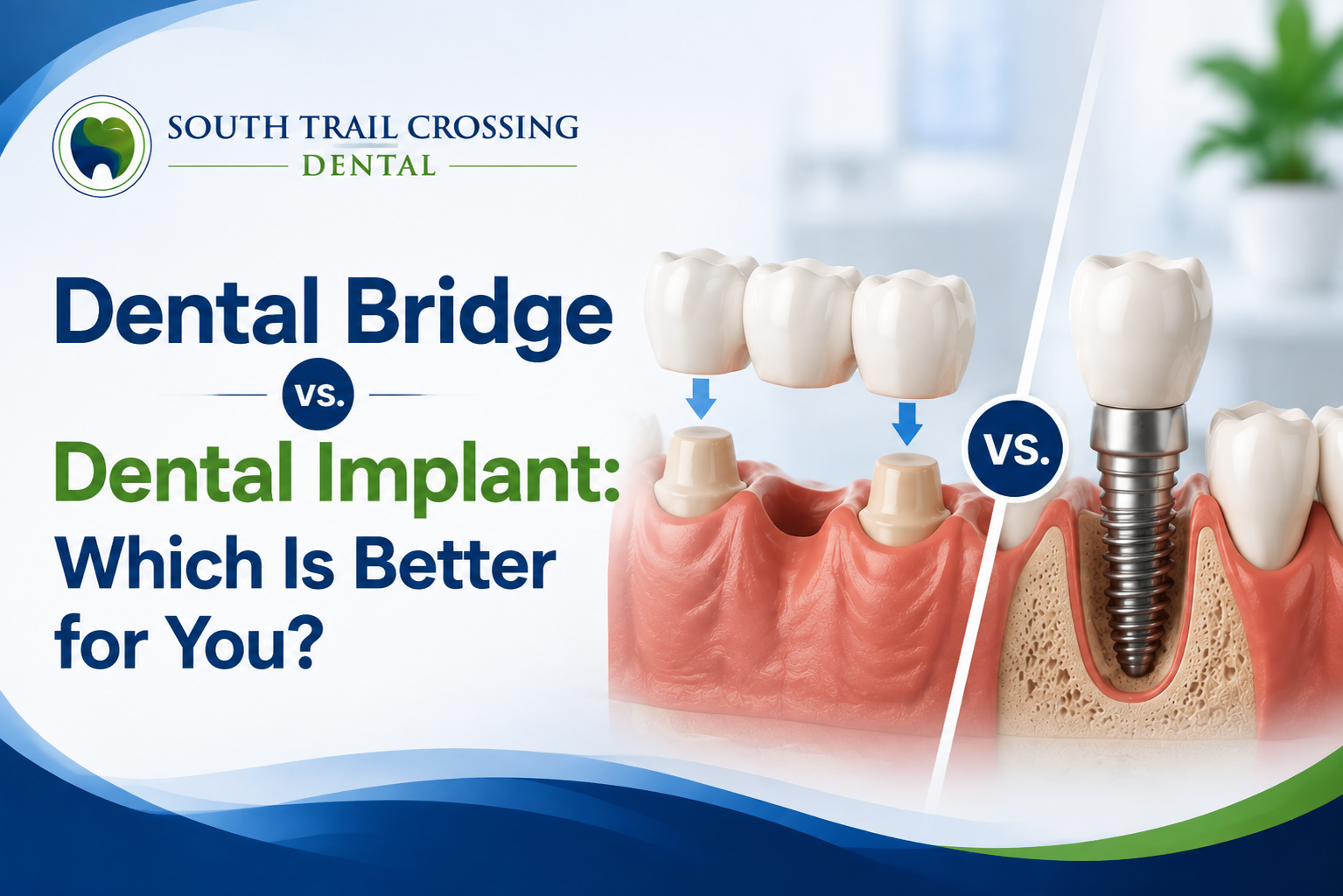
Although replacing a missing tooth with a dental implant or bridge is possible, these treatments are often more complex and may require additional procedures. Root canal treatment allows you to keep your natural tooth while eliminating infection and relieving pain.
Your dentist will recommend the treatment option that best suits your specific dental condition.
Why Early Treatment Makes a Difference
Many patients delay treatment because they hope the pain will disappear on its own. Unfortunately, an infected tooth rarely heals without professional care.
Delaying treatment allows the infection to spread further into the surrounding tissues, increasing the risk of bone loss, swelling, and more extensive damage to the tooth. Early diagnosis often makes treatment simpler and helps preserve more of the natural tooth structure.
If you experience persistent tooth pain, swelling, or prolonged sensitivity, scheduling an examination as soon as possible gives you the best chance of saving your tooth.
Root Canal Treatment at South Trail Crossing Dental
At South Trail Crossing Dental, our goal is to provide comfortable, patient-focused care using modern techniques and technology. We understand that many patients feel nervous about root canal treatment, which is why we take the time to explain every step of the procedure and answer all of your questions.
Whether you are looking for root canal treatment SE Calgary or searching for trusted root canal treatment Calgary, our experienced dental team focuses on preserving your natural teeth while making your visit as comfortable as possible. From diagnosis through final restoration, we work closely with you to achieve long-lasting results that support your oral health.
Conclusion
Root canal treatment is one of the most effective ways to save a damaged or infected tooth. While there is no exact lifespan for every treated tooth, many last for decades and even a lifetime when combined with proper restoration, good oral hygiene, and regular dental care.
If you have been experiencing tooth pain or have been advised that you need root canal treatment SE Calgary, seeking treatment sooner rather than later can greatly improve the long-term success of your tooth. At South Trail Crossing Dental, we are committed to helping patients throughout Calgary protect their smiles with compassionate, high-quality dental care. By following your dentist’s recommendations and maintaining healthy daily habits, your treated tooth can continue serving you comfortably for many years to come.
Contact us for more information.

South Trail Crossing Dental clinic, the dentist near you, delivers a different dentistry that is based on our THREE core philosophies – providing best possible dental care to all our patients, treating each patient as a unique individual with unique needs, and providing integrated treatment addressing simultaneously oral health and systemic or overall health.