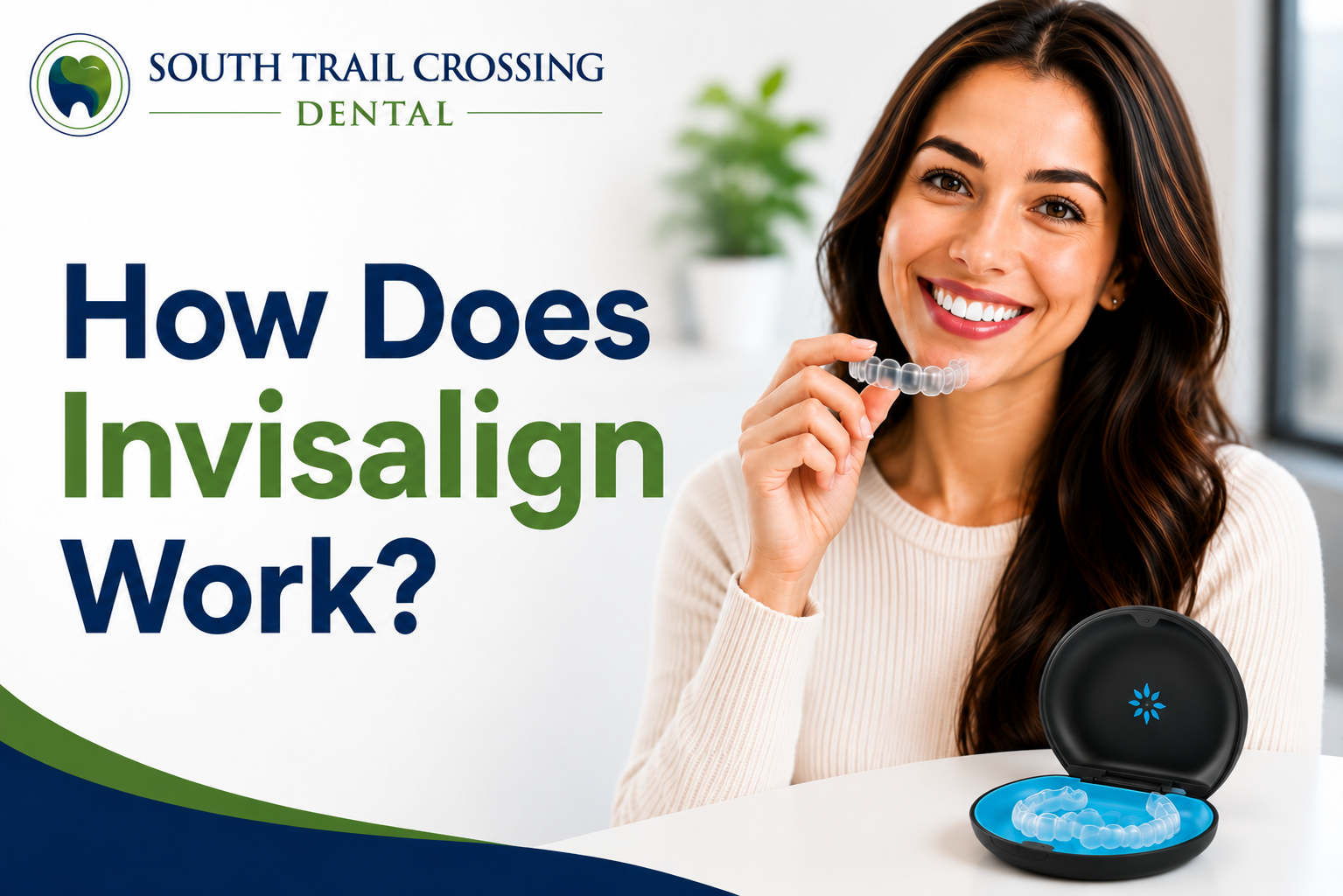
A straight, healthy smile can improve both your appearance and your oral health. While traditional braces have helped millions of people achieve properly aligned teeth, many patients today prefer a more discreet and comfortable solution. Invisalign has become one of the most popular orthodontic treatments because it straightens teeth using nearly invisible clear aligners instead of metal brackets and wires.
If you are considering Invisalign treatment, you may be wondering how the process works and what you can expect from start to finish. Understanding each stage of treatment can help you feel more confident about your decision and prepare you for a successful outcome.
What Is Invisalign?
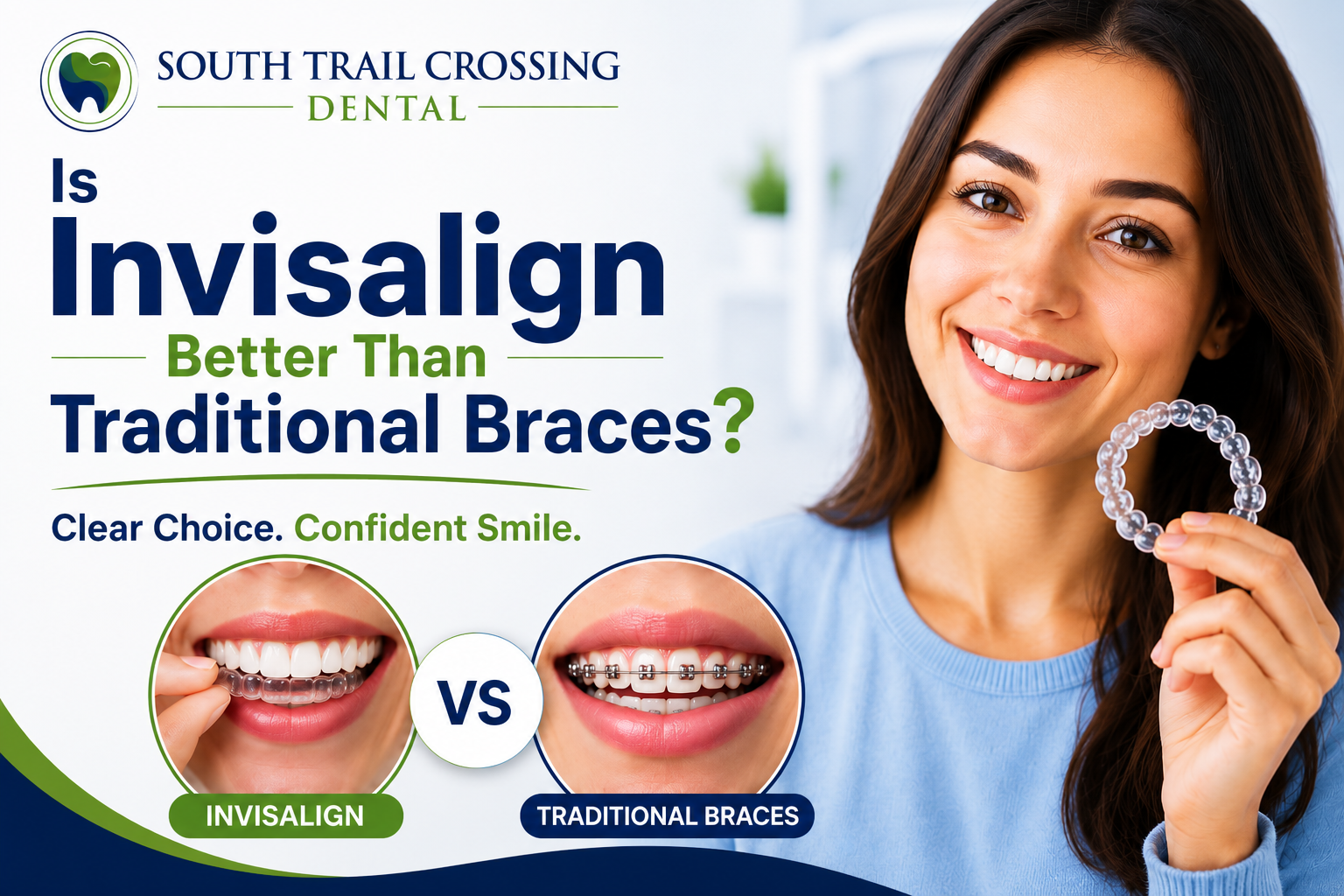
Invisalign is an orthodontic treatment that uses a series of custom-made, clear plastic aligners to gradually move your teeth into their ideal positions. Each aligner is carefully designed to apply gentle, controlled pressure to specific teeth, encouraging them to shift little by little over time.
Unlike traditional braces, Invisalign aligners are removable. This allows you to eat your favorite foods, brush and floss normally, and maintain better oral hygiene throughout treatment. Because the aligners are clear and fit closely over your teeth, they are much less noticeable during everyday conversations and social interactions.
Every Invisalign treatment plan is customized to match the patient’s unique smile and orthodontic needs.
How Does Invisalign Move Your Teeth?
The science behind Invisalign is based on controlled and gradual tooth movement. Each set of aligners is slightly different from the previous one, allowing your teeth to move in small stages throughout your treatment.
When you wear your aligners for the recommended twenty to twenty-two hours each day, they apply consistent pressure to selected teeth. This pressure encourages the bone surrounding the tooth roots to remodel naturally. As new bone forms, the teeth become stable in their new positions.
Because each movement is carefully planned before treatment begins, Invisalign provides predictable and precise results for many orthodontic concerns.
The Invisalign Treatment Process
Initial Consultation
Your Invisalign journey begins with a consultation at your dental clinic. During this appointment, your dentist will examine your teeth, discuss your concerns, and determine whether Invisalign is the right treatment for you.
Digital scans, photographs, and X-rays may be taken to evaluate your bite and overall oral health. These records allow your dentist to create a personalized treatment plan based on your specific needs.
This appointment is also an opportunity to ask questions and understand what you can expect throughout your treatment.
Digital Treatment Planning
One of the advantages of Invisalign is its advanced digital planning technology. Using detailed three-dimensional scans of your teeth, your dentist creates a virtual model of your smile and maps out every stage of tooth movement before treatment begins.
This digital plan shows how your teeth are expected to move throughout the process and provides an estimate of your treatment timeline. It also helps ensure that every aligner is designed to move your teeth safely and efficiently.
Having a clear treatment plan allows both you and your dentist to monitor progress throughout your Invisalign journey.
Receiving Your Custom Aligners
Once your treatment plan has been finalized, your custom Invisalign aligners are manufactured specifically for your teeth. Each aligner is numbered in sequence and designed to be worn for a specific period before moving to the next set.
Your dentist will provide detailed instructions on how to wear, clean, and care for your aligners. Most patients change to a new set every one to two weeks, depending on their individual treatment plan.
Following the recommended schedule helps keep your treatment progressing as planned.
How Long Should You Wear Invisalign Aligners Each Day?
For Invisalign to work effectively, the aligners must be worn for approximately twenty to twenty-two hours each day. They should only be removed while eating, drinking beverages other than water, brushing, and flossing your teeth.
Wearing the aligners consistently allows them to apply continuous pressure that gradually moves your teeth into their planned positions. Removing them too often or wearing them for fewer hours each day may slow your progress and extend your treatment time.
Following your dentist’s instructions is one of the most important factors in achieving successful results.
How Often Will You Change Your Aligners?
Most patients switch to a new set of Invisalign aligners every one to two weeks. Each new aligner continues the gradual movement started by the previous set.
Although you may notice slight pressure when changing to a new aligner, this usually indicates that the aligners are working correctly. Any mild discomfort typically disappears within a few days as your teeth begin adjusting to their new positions.
Your dentist will tell you exactly when to change your aligners based on your treatment plan.
Will You Need Regular Invisalign Checkups?
Yes. Even though Invisalign requires fewer appointments than traditional braces, regular dental visits remain important. Most patients return for checkups every six to eight weeks so their dentist can monitor progress and ensure the aligners are fitting properly.
During these appointments, your dentist may provide your next series of aligners, answer your questions, and make adjustments if necessary. Regular monitoring helps keep your treatment on schedule and allows any concerns to be addressed early.
Read more : How Often Do I Need Invisalign Checkups?
What Dental Problems Can Invisalign Treat?
Invisalign is an effective solution for many common orthodontic concerns. Depending on your individual case, it may be recommended to treat:
- Crowded teeth.
- Gaps between teeth.
- Mild to moderate overbite.
- Underbite.
- Crossbite.
- Open bite.
- Mild tooth rotation.
Your dentist will determine whether Invisalign is suitable for your specific orthodontic needs after completing a thorough examination.
Does Invisalign Hurt?
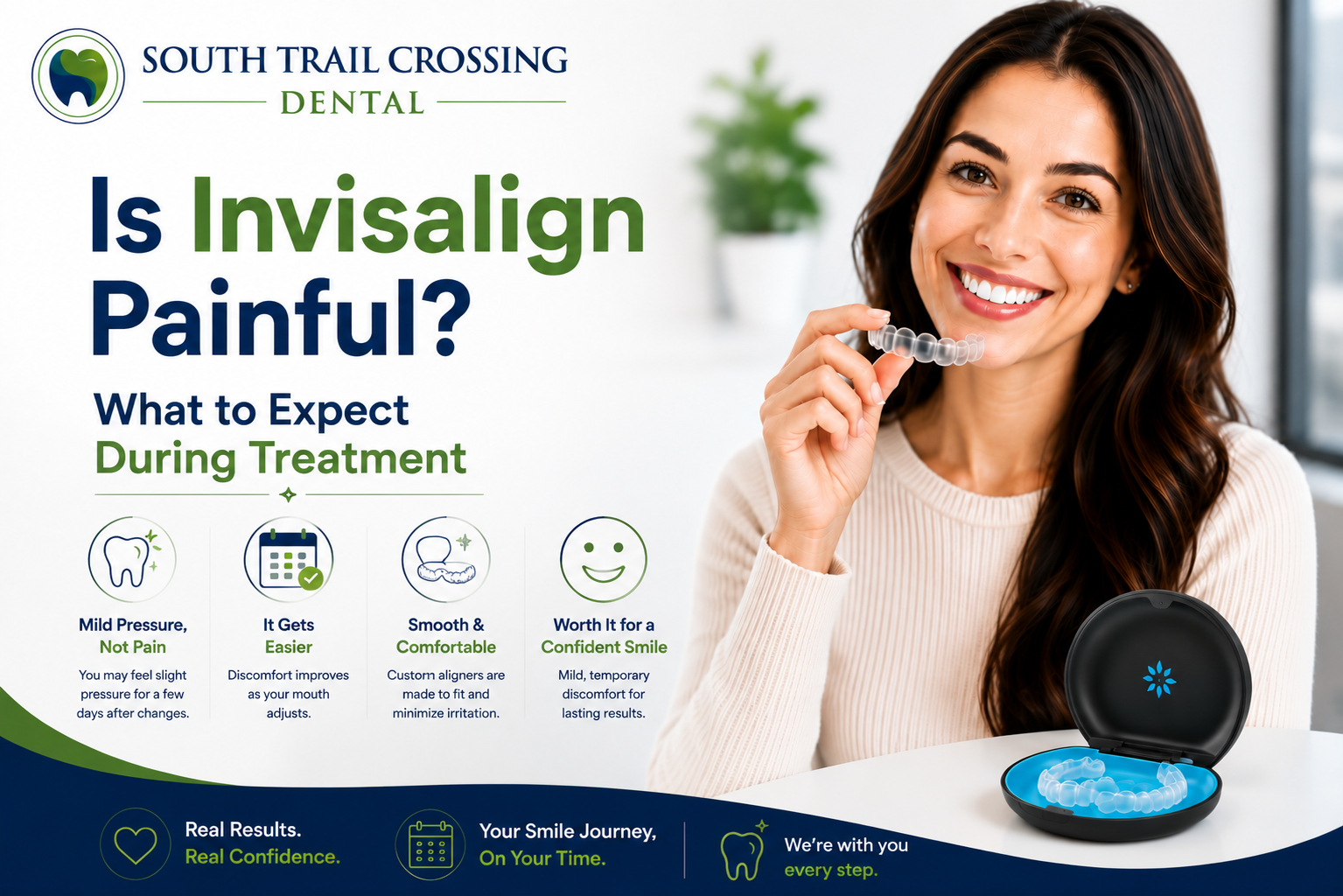
Most patients experience mild pressure rather than significant pain. This sensation is completely normal because it indicates that the aligners are gently moving your teeth.
You may notice slight discomfort when starting a new aligner, but this usually improves within a few days. Most people find Invisalign considerably more comfortable than traditional braces because there are no metal brackets or wires that can irritate the inside of the mouth.
If you experience severe or prolonged discomfort, you should contact your dentist for advice.
How Long Does Invisalign Treatment Take?
The length of Invisalign treatment depends on the complexity of your case. Some patients achieve their desired results within six months, while others may require twelve to eighteen months or longer.
Several factors influence treatment time, including the amount of tooth movement required, your age, and how consistently you wear your aligners. Patients who wear their aligners for the recommended number of hours each day are more likely to complete treatment according to schedule.
Your dentist will provide a personalized estimate during your consultation.
What Happens After Invisalign Treatment?
Once your teeth have reached their planned positions, your active treatment is complete. However, maintaining your new smile requires ongoing care.
Your dentist will usually provide a custom retainer to prevent your teeth from gradually shifting back toward their original positions. Wearing your retainer according to your dentist’s instructions helps protect the results you have worked hard to achieve.
Regular dental checkups and good oral hygiene continue to play an important role in maintaining your healthy smile for years to come.
Tips for Getting the Best Invisalign Results
Successful Invisalign treatment depends on both your dentist’s expertise and your commitment to following the treatment plan. Wearing your aligners consistently every day is the most important habit for achieving the desired outcome.
Maintaining good oral hygiene, cleaning your aligners regularly, and attending every scheduled checkup all contribute to smoother treatment and healthier teeth. If you ever lose or damage an aligner, contact your dental clinic promptly for guidance instead of attempting to manage the problem yourself.
Small daily habits make a significant difference in achieving long-lasting results.
Conclusion
At South Trail Crossing Dental, our experienced dental team will evaluate your smile, discuss your goals, and create a personalized Invisalign treatment plan tailored to your needs. With advanced technology and a patient-focused approach, we help you achieve a confident smile with a treatment option that fits your lifestyle.. Contact us for more information.

South Trail Crossing Dental clinic, the dentist near you, delivers a different dentistry that is based on our THREE core philosophies – providing best possible dental care to all our patients, treating each patient as a unique individual with unique needs, and providing integrated treatment addressing simultaneously oral health and systemic or overall health.