Dental bridges have helped millions of people reclaim complete, functional smiles after tooth loss. They are durable, natural-looking, and when properly maintained, can serve you well for over a decade. Yet despite their many advantages, dental bridges are not entirely problem-free. Without the right knowledge and daily habits, patients can encounter complications that shorten the life of their restoration — and create unnecessary discomfort along the way.
Understanding the Structure of a Dental Bridge
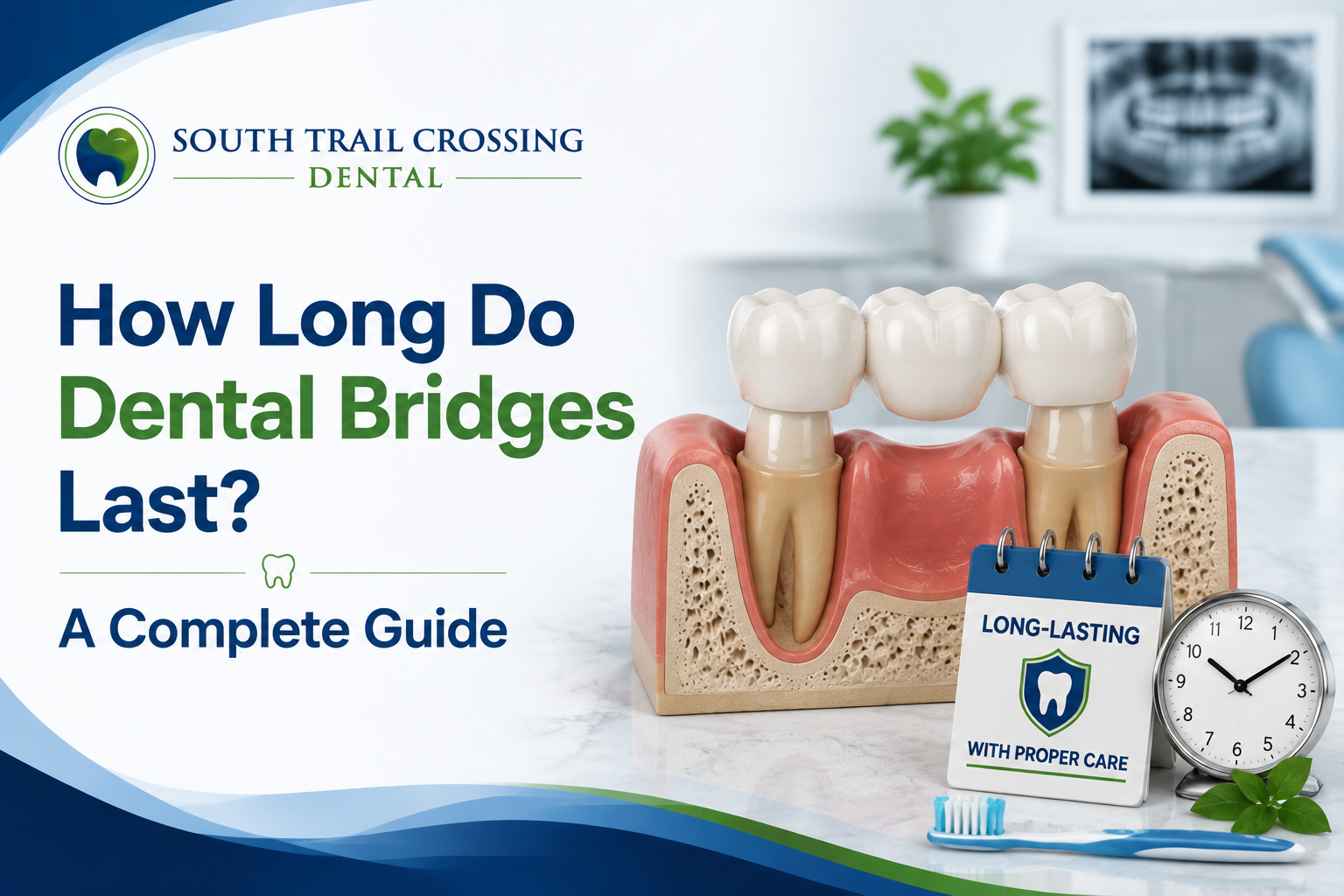
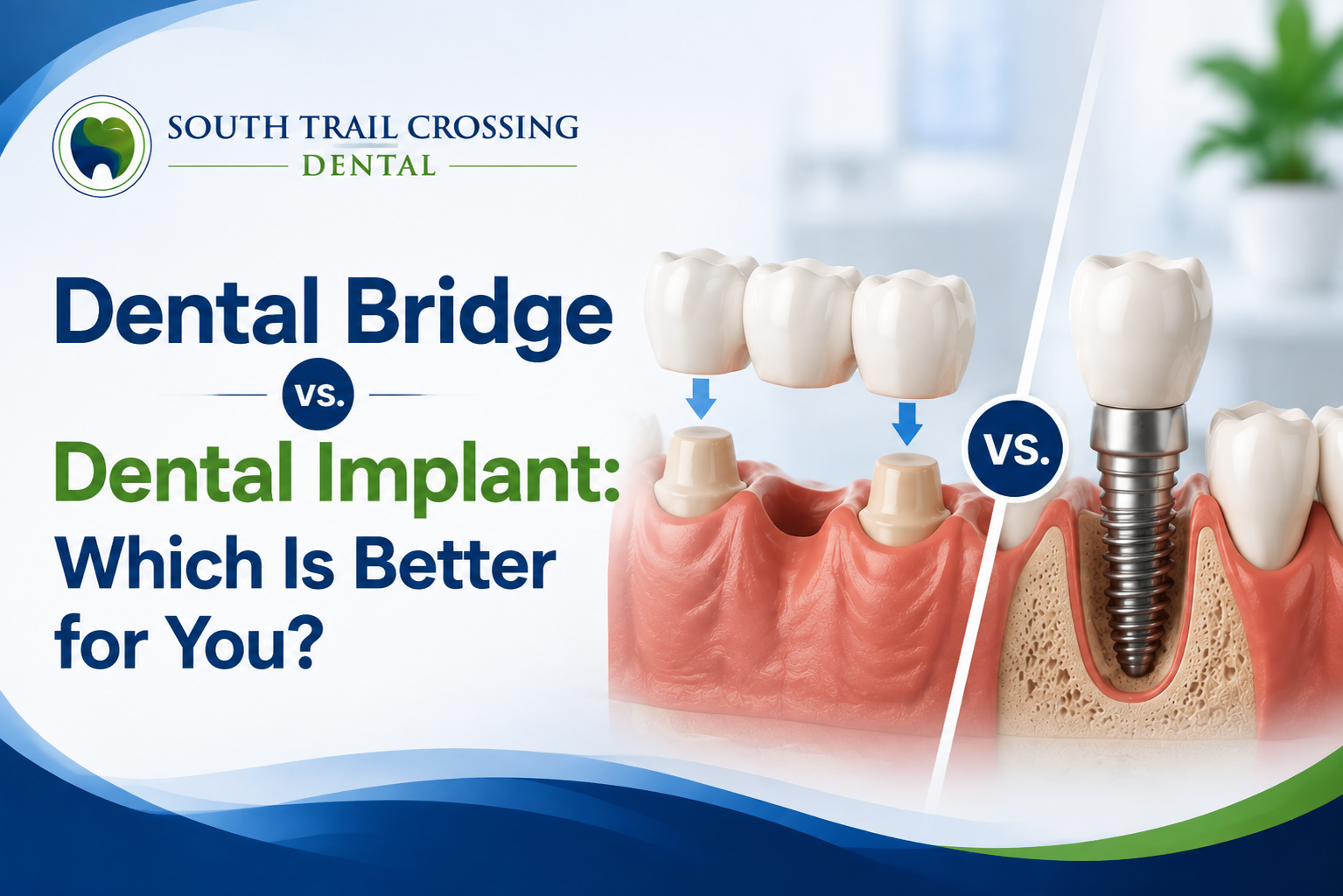
Before exploring what can go wrong, it helps to understand what a dental bridge is and what it is made of. A traditional dental bridge consists of three core components: the abutment teeth (the natural or implant-supported teeth on either side of the gap), the dental crowns that cap those abutment teeth, and the pontic — the artificial tooth suspended between the crowns to fill the space left by the missing tooth.
This structure means that the health of the entire bridge depends heavily on two things: the strength and integrity of the supporting abutment teeth, and the quality of the tissue and bone underneath. Any threat to either of those foundations puts the entire restoration at risk.
Plaque Buildup and Decay Beneath the Bridge
Tooth decay is the number one enemy of dental bridges — and the tricky part is that it happens in places you cannot easily see. The margins where a crown meets the natural tooth are prime locations for bacterial infiltration. Plaque that is not removed from these areas hardens into tartar, which eventually leads to cavities that work their way beneath the crown and compromise the abutment tooth.
How to avoid it: The answer lies in deliberate, technique-focused oral hygiene. Standard flossing is nearly impossible under a bridge, which is why patients must use floss threaders, superfloss, or water flossers to clean beneath the pontic and along the crown margins every single day. If this step is skipped, it is only a matter of time before plaque causes structural damage. Pair this with a fluoride-rich toothpaste, and schedule professional dental hygiene cleanings at least twice a year. Your hygienist can access areas that your home routine simply cannot reach.
Gum Disease Weakening the Foundation
When gum health deteriorates, so does everything that holds your bridge in place. Periodontal disease causes the gum tissue and bone to recede, which eventually destabilizes the abutment teeth and can cause the entire bridge to fail. What makes this particularly dangerous is that gum disease is largely painless in its early stages, so many patients are unaware of it until significant damage has already occurred.
How to avoid it: Make gum care a non-negotiable part of your daily routine. Brush gently along the gumline with a soft-bristled toothbrush, and floss underneath the bridge structure to stimulate and clean the gum tissue beneath the pontic. Watch for early warning signs — persistent bad breath, gums that bleed when you brush, or slight puffiness around the bridge. Any of these symptoms warrants a prompt dental visit. Early-stage gum disease is highly manageable; advanced periodontal disease is not.
Bridge Fracture from Excessive Biting Force
Porcelain and ceramic bridges look incredibly lifelike, but they do have a vulnerability: they can fracture under extreme pressure. Habitual hard food choices, biting on non-food objects, or the grinding and clenching of bruxism can all create forces that exceed what the bridge material is designed to handle. A crack or chip in a bridge is not just cosmetic — it can expose the internal structure to bacteria and accelerate deterioration.
How to avoid it: Modify your dietary habits to protect the bridge. Avoid biting directly into foods like raw carrots, hard crusty bread, toffee, ice cubes, or hard nuts with your bridge teeth. Cut harder foods into smaller pieces before eating. If you are a nighttime grinder or clencher, a custom-fitted occlusal splint (night guard) is one of the most valuable investments you can make. It distributes force evenly across your teeth and takes the concentrated pressure off your bridge while you sleep.
Cement Failure and Bridge Loosening
Dental bridges are cemented securely onto the abutment teeth, but that bond is not unconditional. Cement can break down over time due to normal wear, exposure to acidic foods and beverages, or decay developing at the margin. When the cement weakens, the bridge may begin to feel slightly loose or shift subtly when you bite. Left unaddressed, bacteria enter the space between the crown and tooth, rapidly accelerating decay.
How to avoid it: Pay close attention to how your bridge feels when you bite. Any new sensation of movement, clicking, or instability is a signal to see your dentist immediately — do not wait until the bridge fully detaches. If the situation becomes urgent, emergency dental care is available so you are never left without support when it matters most. In many cases, a bridge caught early can be re-cemented or repaired without needing full replacement. Limiting your intake of highly acidic drinks like soda and citrus juices also reduces the rate of cement degradation over time.
Sensitivity and Pain After Placement
A degree of temperature sensitivity and mild discomfort in the days immediately following bridge placement is completely expected. Your abutment teeth were prepared (reshaped) to accept the crowns, and the surrounding nerves need time to settle. However, sensitivity that lingers beyond two to three weeks — or new pain that emerges months later — indicates a problem that needs professional evaluation.
How to avoid it: In the short term, use a sensitive toothpaste during the adjustment period and avoid very hot or cold foods and beverages. If sensitivity persists, your dentist will investigate whether the bite needs adjustment, whether there is underlying decay, or whether the nerve of the abutment tooth has become inflamed and requires root canal treatment. Ignoring persistent dental pain never resolves the underlying issue; it only allows it to worsen.
Aesthetic Changes Over Time
Even beautifully made bridges can look different after several years. Natural aging of the restoration material, staining from coffee, tea, wine, or tobacco, and changes in the surrounding gum tissue can all affect how the bridge looks. Gum recession in particular can expose the metal margin of older bridge designs, creating a visible dark line at the base of the crown.
How to avoid it: Maintain consistent oral hygiene to minimize staining, and avoid tobacco in all forms — it is one of the most aggressive staining agents and simultaneously damages gum health. Professional teeth whitening can help maintain the brightness of your surrounding natural teeth. At your regular dental exams, ask your dentist to assess the aesthetic condition of your bridge alongside its structural health. Modern all-ceramic bridge materials offer superior colour stability and eliminate the risk of visible metal margins entirely — explore your options with a cosmetic dentistry consultation if you are planning a new restoration.
Neglecting Regular Dental Visits
Perhaps the most avoidable problem of all is the failure to attend regular check-ups. Many bridge complications — loosening cement, early decay, shifting bite — are detectable at professional examinations long before they cause symptoms. By the time a patient notices something is wrong, the issue has often escalated considerably.
How to avoid it: Schedule dental exams every six months without exception. Your dentist will examine the bridge margins, check for any movement, assess the condition of the abutment teeth with X-rays, and evaluate your gum health — all in a single appointment. This proactive approach catches problems when they are still inexpensive and straightforward to fix.
How Long Should a Dental Bridge Last?
With diligent home care and consistent professional monitoring, a well-made dental bridge can realistically last between ten and fifteen years. Some patients maintain their bridges for twenty years or more. For those seeking a permanent, bone-preserving alternative, dental implants are worth discussing with your dentist. The key variable is not the restoration itself — it is the habits and attention the patient brings to caring for it.
Key Takeaways for a Problem-Free Dental Bridge
A dental bridge is a meaningful investment in your oral function and confidence, and protecting that investment requires daily commitment. Clean beneath the bridge every day without exception. Be mindful of what you eat and how hard you bite. Wear a night guard if bruxism is a factor. Act quickly at the first sign of sensitivity, looseness, or discomfort — emergency dental care is always available when you need it. And perhaps most importantly, never skip your routine dental check-ups.
The patients who get the most value from their dental bridges are not those who have the most expensive restorations — they are the ones who treat their bridge as an ongoing responsibility rather than a one-time fix. With the right approach, your dental bridge can deliver years of comfortable, confident, and beautiful results.

South Trail Crossing Dental clinic, the dentist near you, delivers a different dentistry that is based on our THREE core philosophies – providing best possible dental care to all our patients, treating each patient as a unique individual with unique needs, and providing integrated treatment addressing simultaneously oral health and systemic or overall health.