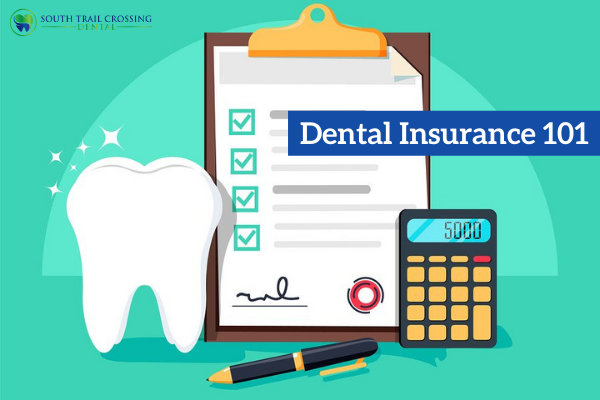
To help manage oral health care costs, many Albertans receive dental insurance coverage through employers, unions, CDCP or provincial & federal assistance programs.
Common government-funded dental programs in Alberta include Alberta Works, the Seniors Dental Assistance Program, the Child Benefit Program, and the NIHB (Non-Insured Health Benefits) program. Understanding how these plans work—and what they do and don’t cover—can help you make informed decisions about your dental care.
Dental Plan vs. Treatment Plan:
Patients often confuse a dental insurance plan with a dental treatment plan, but the two serve very different purposes.
What Is a Dental Insurance Plan?
A dental plan (also known as dental insurance or dental benefits) is a contract between you and your insurance provider. Its purpose is to help offset the cost of dental treatments by covering a portion of eligible services.
What Is a Dental Treatment Plan?
A treatment plan is a personalized dental care plan created by you and your dentist. It outlines the treatments needed to address existing oral health issues and prevent future problems. A treatment plan is based solely on your oral health needs—not on what your insurance may or may not cover.
Important to know:
Your dentist’s priority is your health. Your treatment plan is never limited by insurance coverage and will always reflect what is best for your smile.
Dental Insurance Terminology Explained
Dental insurance policies often include terminology that can feel confusing. Understanding these common terms can help you get the most value from your plan.
Common Dental Insurance Terms
- Deductible –The amount you must pay out of pocket each year before your insurance begins covering treatments.
- Co-Insurance – The percentage of the treatment cost shared between you and your insurance provider.
- Annual Maximum – The maximum amount your insurance will pay for dental services within a calendar year.
- Exclusions – Dental procedures that are not covered by your plan.
- Premium – The fee paid to maintain your dental insurance coverage.
- Direct Assignment Billing – When your dental clinic bills your insurance provider directly, reducing upfront costs.
- Co-Payment – The portion of the dental bill that remains your responsibility after insurance coverage.
- Limitations – Conditions or restrictions on coverage for certain procedures, such as frequency limits.
How to Understand Your Dental Insurance Plan
Every dental insurance plan is different, which makes understanding your specific coverage essential. At South Trail Crossing Dental, our knowledgeable team is experienced in working with a wide range of insurance providers and can help you maximize your benefits.
What Most Dental Plans Cover
Most dental insurance plans offer 100% coverage for preventive care, including:
- Dental exams
- Cleanings
- Fluoride treatments
- X-rays
Note: Full coverage applies only when the insurance provider’s fee guide matches the clinic’s fees. If there is a difference, patients are responsible for the remaining balance.
Coverage for Basic and Major Dental Treatments
- Basic treatments such as fillings, cleanings, and root canal therapy usually receive the highest level of coverage.
- Major procedures like crowns, bridges, dentures, and orthodontics are often covered at approximately 50%, depending on the plan.
Some treatments may not be covered at all, which is why reviewing your insurance details before proceeding with treatment is strongly recommended.
Understanding Dental Fee Guides
Dental clinics and insurance providers use different fee guides, which can impact out-of-pocket costs.
- Dental office fee guides reflect the clinic’s pricing for procedures.
- Insurance fee guides determine how much your provider will reimburse for those services.
When the two guides do not align, patients are responsible for paying the difference. Understanding this helps prevent unexpected costs.
Dual Dental Insurance: How It Works
Some patients are covered under two dental insurance plans, often through their employer and their spouse’s or partner’s employer. This is known as dual insurance coverage.
Coordination of Benefits
- Insurance benefits can never exceed 100% of the total treatment cost.
- The plan where the patient is the primary policyholder pays first.
- The secondary plan may cover remaining eligible costs after the primary plan has paid.
Proper coordination ensures you receive the maximum possible benefit.
Predetermination: Know Your Costs in Advance
Dental insurance can be complex, but our team at South Trail Crossing Dental is here to help. One valuable tool we offer is predetermination.
What Is Predetermination?
Predetermination involves submitting documents such as X-rays and photos to your insurance provider before treatment begins. This allows the insurer to confirm what portion of the treatment may be covered.
Predetermination helps you:
- Understand expected out-of-pocket costs
- Budget confidently for dental care
- Avoid financial surprises
Please note: Predetermination is not billing. Billing occurs only after treatment is completed.
Canadian Dental Care Plan (CDCP)
The Canadian Dental Care Plan (CDCP) is a federal program designed to improve access to dental care for Canadians who do not have private dental insurance and meet specific eligibility criteria. The program aims to reduce financial barriers and support better oral health outcomes across eligible groups.
Who Is Eligible for the CDCP?
Eligibility for the CDCP is based on factors such as:
- Your adjusted family net income is less than $90,000
- No access to private dental insurance
- Canadian residency and tax filing status
What Dental Services Does the CDCP Cover?
The CDCP focuses primarily on essential and preventive dental care, which may include:
- Dental exams and checkups
- Cleanings and preventive treatments
- X-rays and basic diagnostic services
- Certain basic restorative procedures
Coverage levels and included services may vary, and some treatments may require preauthorization or involve co-payments depending on income level.
Visit South Trail Crossing Dental
At South Trail Crossing Dental, our goal is to help you achieve and maintain excellent oral health while making dental care financially manageable. We understand how important insurance coverage is when making treatment decisions, and our team is always happy to guide you through the process.
Patients approved for the CDCP can use their coverage at our dental clinics. Our team can help patients understand how CDCP coverage applies to their treatment plan, confirm eligible services, and explain any potential costs before care begins.
If you have questions about your CDCP, dental insurance, treatment options, or payment planning, we’re here to help. Contact us today.