Dealing with severe tooth pain or infection can be stressful, especially when your dentist presents two major treatment options: a root canal or a tooth extraction. Both procedures are designed to address serious dental issues, but they differ significantly in approach, cost, recovery, and long-term impact on your oral health.
At South Trail Crossing Dental, our Calgary dentists focus on preserving your natural teeth whenever possible, yet there are situations where removing the tooth may be the best course of action. Understanding these options in detail can help you make a confident and informed decision.
What Is a Root Canal Treatment?
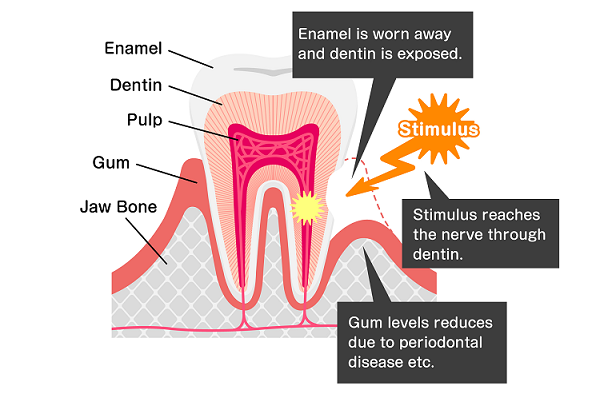
A root canal is a dental procedure aimed at saving a tooth that has been severely decayed or infected. Inside every tooth is a soft tissue known as pulp, which contains nerves and blood vessels. When this pulp becomes infected due to deep decay, cracks, or trauma, it can cause intense pain and swelling.
During a root canal procedure, the dentist removes the infected pulp, cleans and disinfects the inside of the tooth, and then fills and seals it. In most cases, a dental crown is placed over the tooth to restore its strength and appearance. This treatment allows you to retain your natural tooth while eliminating infection and discomfort.
When Do Dentists Recommend a Root Canal?
Dentists typically recommend a root canal when the tooth can still be saved structurally. If the infection is limited to the pulp and the surrounding bone is healthy, this procedure is often the best option.
Common signs that indicate the need for a root canal include persistent tooth pain, sensitivity to hot or cold, swelling in the gums, and discoloration of the tooth. Ignoring these symptoms can lead to worsening infection and potentially the need for extraction.
Benefits of Choosing a Root Canal
One of the biggest advantages of a root canal is that it preserves your natural tooth. Keeping your original tooth helps maintain proper alignment, bite function, and jawbone health. Since the root remains intact, it continues to stimulate the bone, preventing bone loss over time.
Additionally, root canal treatments are highly effective and can last for many years with proper care. Modern dental techniques and anesthesia have made the procedure relatively comfortable, often no more painful than getting a filling. A restored tooth with a crown also blends seamlessly with your natural smile.
What Is Tooth Extraction?
Tooth extraction involves removing a tooth completely from its socket in the jawbone. While dentists aim to save natural teeth whenever possible, extraction becomes necessary when the tooth is too damaged or infected to be repaired.
Depending on the condition of the tooth, the procedure may need surgical extraction. For example, a visible tooth can be removed easily, while impacted or broken teeth may require minor surgery. After extraction, the dentist may discuss options for replacing the missing tooth to maintain oral health and function.
When Is Tooth Extraction Necessary?
Extraction is typically recommended when a tooth is beyond saving. This may occur in cases of severe decay, extensive damage, or advanced gum disease that has weakened the supporting structures of the tooth.
Other situations where extraction may be advised include overcrowded teeth, preparation for orthodontic treatment, or problematic wisdom teeth. If an infection has spread extensively and cannot be treated with a root canal, removing the tooth may be the safest option to prevent further complications.
Advantages of Tooth Extraction
One of the main benefits of tooth extraction is that it quickly removes the source of pain and infection. In cases where the damage is severe, extraction can provide immediate relief and prevent the infection from spreading to other teeth.
It is also generally less expensive upfront compared to a root canal. For patients dealing with severe dental issues or limited budgets, extraction may seem like a more practical short-term solution. However, it is important to consider the long-term implications, especially if the tooth is not replaced.
Root Canal vs. Tooth Extraction: Key Differences
When comparing root canal treatment and tooth extraction, the most significant difference lies in their purpose. A root canal is designed to save the tooth, while extraction removes it entirely.
From a long-term perspective, preserving the natural tooth is usually the better option for maintaining oral health. A missing tooth can lead to shifting of adjacent teeth, bite issues, and bone loss. On the other hand, extraction may be necessary if the tooth cannot be restored effectively.
Cost is another important factor. While a root canal may have a higher initial cost, extraction often leads to additional expenses if you choose to replace the missing tooth with an implant, bridge, or denture.
How Our Dentists Help You Make the Right Choice
We take a personalized approach when recommending treatment. They begin with a comprehensive examination, including digital X-rays and a detailed assessment of your symptoms. This allows you to determine the extent of the damage and whether the tooth can be saved.
The condition of the tooth plays a major role in decision-making. If there is enough healthy structure remaining, a root canal is usually preferred. However, if the tooth is severely fractured or the surrounding bone is compromised, extraction may be the better option.
Dentists also consider your overall oral health, lifestyle, and budget. They will explain the pros and cons of each option, helping you choose a solution that aligns with your long-term dental goals.
Long-Term Impact on Oral Health
Choosing between a root canal and extraction can have lasting effects on your oral health. Preserving your natural tooth helps maintain the integrity of your jawbone and prevents neighboring teeth from shifting. It also ensures that your bite remains balanced and functional.
In contrast, losing a tooth without replacement can lead to bone loss over time. The jawbone relies on stimulation from tooth roots, and when a tooth is removed, that stimulation is lost. This can eventually affect the shape of your face and overall oral stability.
The Importance of Tooth Replacement After Extraction
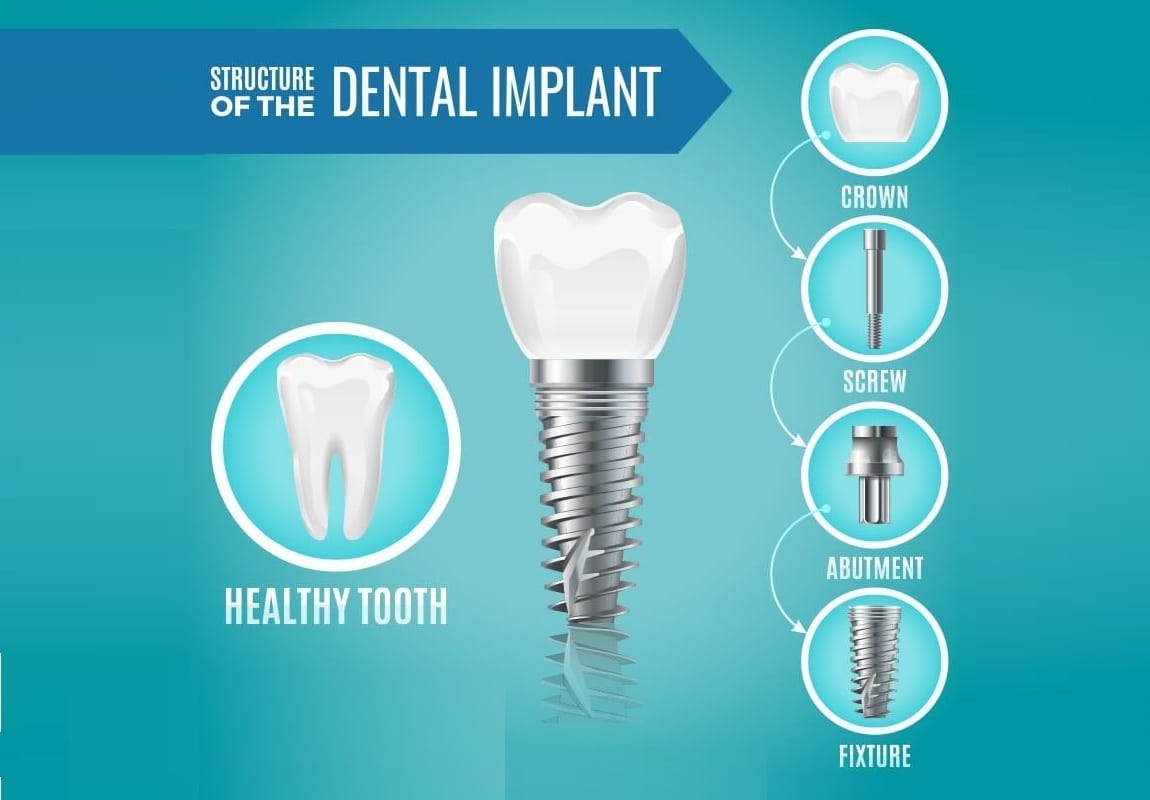
If extraction is necessary, replacing the missing tooth is crucial. Dental implants are one of the most effective options, as they mimic the function of natural tooth roots and help preserve bone structure. Bridges and dentures are also common solutions that restore appearance and functionality.
Calgary dentists often emphasize the importance of timely replacement to avoid complications such as shifting teeth and bite problems. While replacement adds to the overall cost, it is a worthwhile investment in your long-term oral health.
Recovery and Aftercare
Recovery experiences differ between the two procedures. After a root canal, most patients experience mild discomfort that subsides within a few days. Maintaining good oral hygiene and attending follow-up appointments are essential for long-term success.
Extraction, on the other hand, may require a longer healing period, especially if surgery is involved. Patients are advised to follow post-operative instructions carefully, including avoiding hard foods, keeping the area clean, and allowing proper clot formation to prevent complications.
Preventing Severe Dental Problems
The best way to avoid needing a root canal or extraction is through preventive care. Regular brushing, flossing, and dental checkups can help detect issues early before they become serious.
A healthy diet that limits sugary foods and drinks also plays a key role in preventing tooth decay. By maintaining good oral hygiene habits and visiting your dentist regularly, you can significantly reduce the risk of severe dental problems.
Conclusion
Choosing between a root canal and tooth extraction is an important decision that depends on the condition of your tooth and your overall oral health. In most cases, saving the natural tooth through a root canal is the preferred option because it preserves function, appearance, and bone health.
However, when a tooth is beyond repair, extraction may be the best solution to eliminate pain and prevent further complications. Calgary dentists are dedicated to guiding patients through this decision by providing expert advice and personalized care. By understanding your options and prioritizing long-term oral health, you can make the best choice for your smile.
Contact us for more information
Frequently Asked Questions (FAQs)
1. Is a root canal more painful than a tooth extraction?
No, a root canal is not more painful than a tooth extraction. In fact, with modern dental technology and anesthesia, both procedures are relatively comfortable. A root canal is often compared to getting a dental filling, while extraction may involve slightly more discomfort during the healing phase.
2. Which option is better: root canal or tooth extraction?
In most cases, a root canal is considered the better option because it preserves your natural tooth. Keeping your original tooth helps maintain proper bite alignment and jawbone health. However, if the tooth is severely damaged and cannot be saved, extraction becomes the more appropriate solution.
3. How long does a root canal-treated tooth last?
A tooth that has undergone a root canal can last a lifetime with proper care. Maintaining good oral hygiene, regular dental checkups, and placing a crown on the treated tooth can significantly increase its longevity.
4. What happens if I don’t replace a tooth after extraction?
If you don’t replace a missing tooth, nearby teeth may shift into the empty space, causing misalignment. Over time, this can also lead to bone loss in the jaw and affect your ability to chew properly. Dentists usually recommend options like implants, bridges, or dentures to prevent these issues.
5. How long is the recovery time for both procedures?
Recovery from a root canal is usually quick, with most patients returning to normal activities within a day or two. Tooth extraction may take a few days to a week for initial healing, depending on the complexity of the procedure.
6. Are root canals expensive compared to extractions?
Root canals generally have a higher upfront cost, especially when combined with a dental crown. However, extraction may lead to additional expenses if you choose to replace the missing tooth. In the long run, saving the natural tooth can often be more cost-effective.
7. Can a tooth still get infected after a root canal?
Although rare, it is possible for a tooth to become reinfected after a root canal if bacteria enter the sealed area. This can usually be treated with a second procedure or retreatment by your dentist.
8. When is extraction the only option?
Extraction is the only option when the tooth is too damaged to be restored, such as in cases of severe decay, advanced gum disease, or a fractured tooth below the gum line. Your dentist will assess the condition carefully before recommending removal.
9. Do I always need a crown after a root canal?
In most cases, yes. A crown is placed on a root canal-treated tooth to protect it from breaking and to restore its function and appearance. Front teeth may not always require crowns, but molars typically do due to the pressure from chewing.
10. How can I avoid needing a root canal or extraction?
You can reduce the risk by practicing good oral hygiene, including brushing twice a day, flossing regularly, and visiting your dentist for routine checkups. Early detection of dental problems can prevent them from becoming severe enough to require major procedures.