Dental health plays a crucial role in overall wellness, confidence, and quality of life. Missing teeth can affect chewing ability, speech clarity, facial structure, and self-esteem. Dental implants have become one of the most advanced and reliable solutions for replacing missing teeth permanently. In Calgary, more patients are choosing dental implants because it offers long-term durability and a natural appearance compared to traditional dentures or bridges.
What is Dental Implant
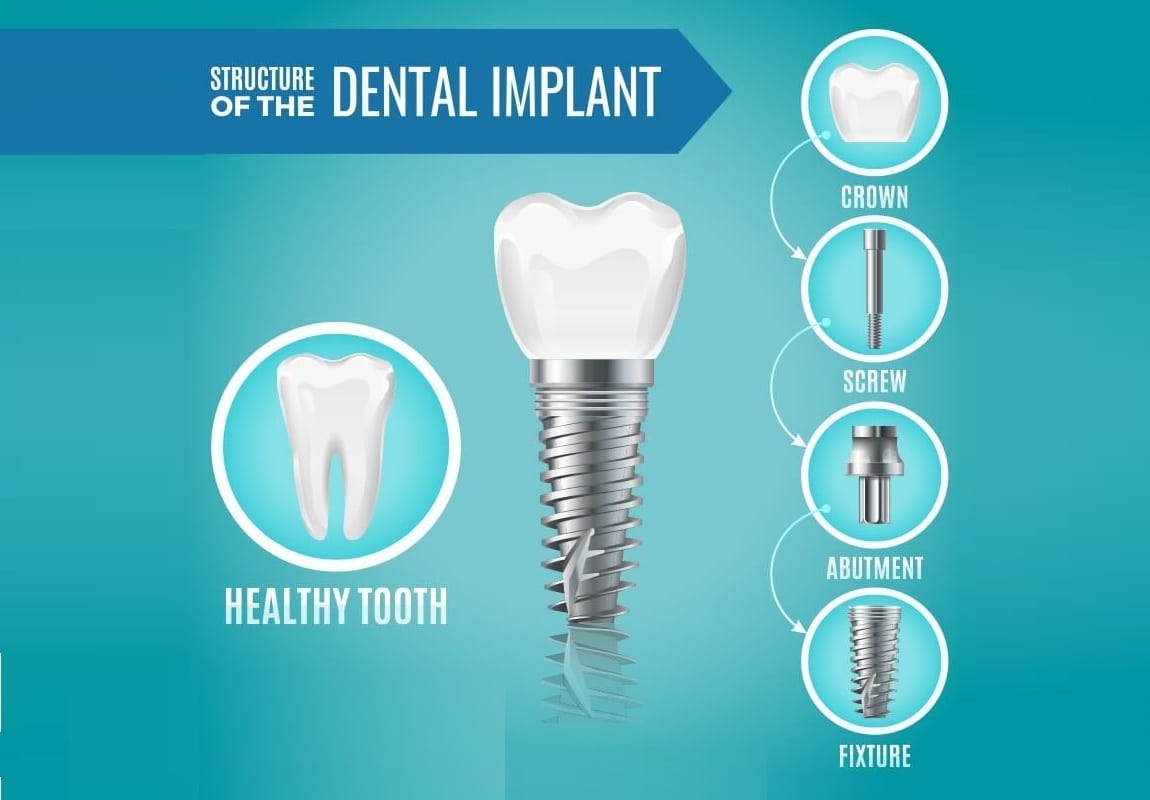
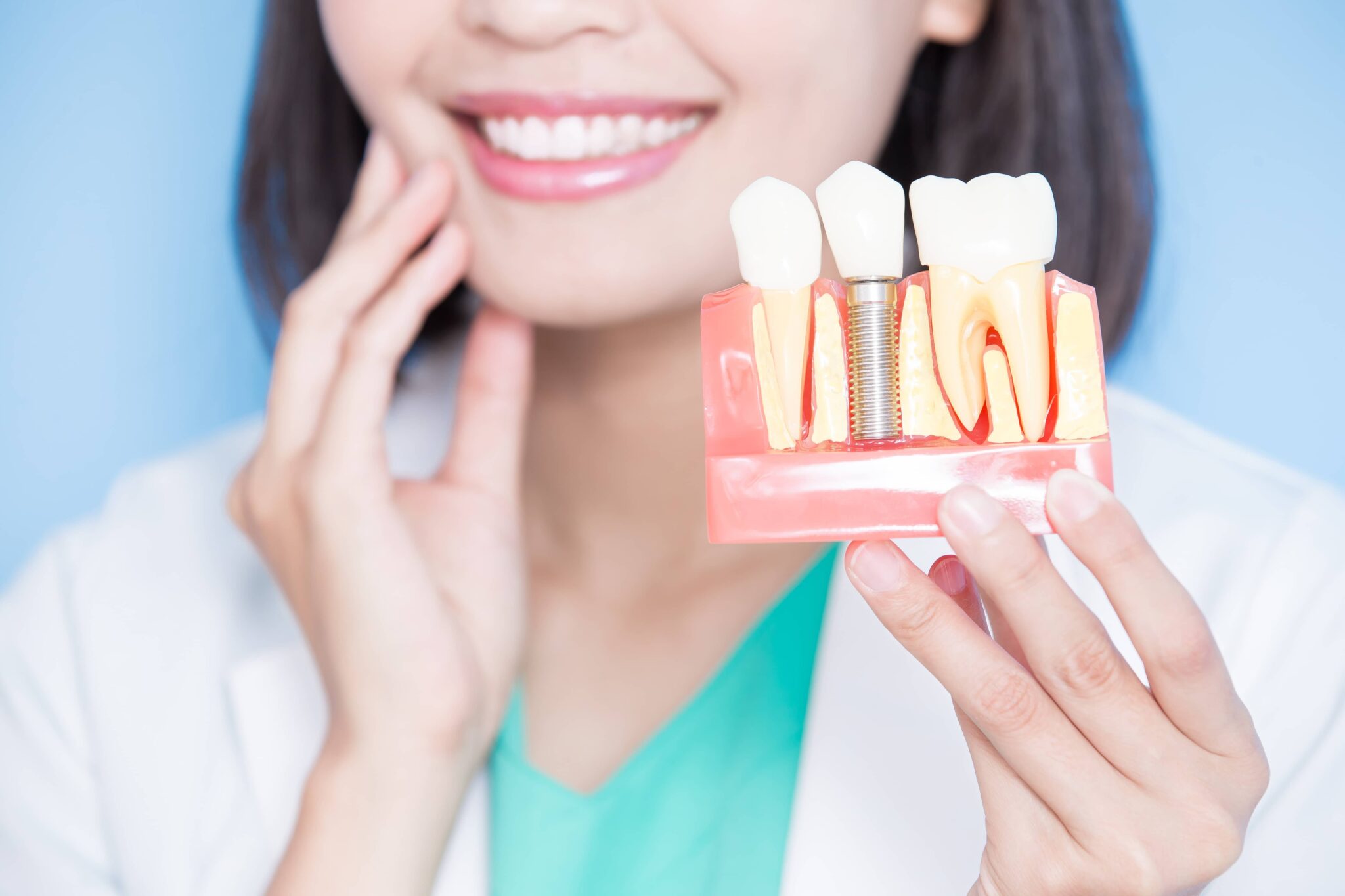
A dental implant is a small titanium post surgically placed into the jawbone to act as an artificial tooth root. Over time, the implant integrates with the bone through a process known as osseointegration. Once healed, a custom dental crown is attached to the implant, creating a replacement tooth that functions similarly to natural teeth. Modern dental technology has made implant procedures safer, more predictable, and more comfortable than ever before. For patients searching for dental implants in Calgary, finding an experienced clinic with advanced technology is important for achieving successful results.
South Trail Crossing Dental helps patients explore personalized treatment options in a comfortable and professional environment in SE Calgary.
Common Causes of Tooth Loss
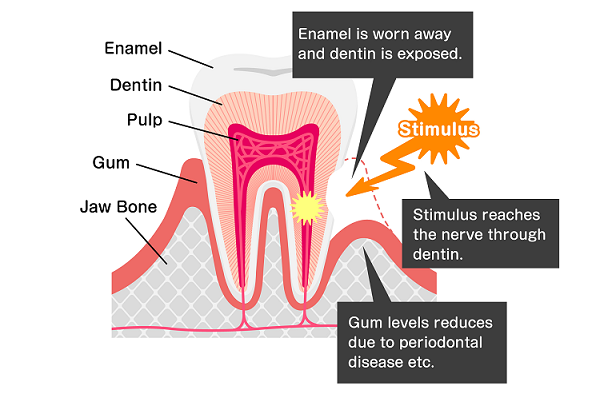
Tooth loss can occur for various reasons, and understanding these causes can help patients take preventive measures. One of the most common reasons for missing teeth is periodontal disease. Gum disease can damage the tissues supporting teeth, eventually leading to tooth loosening and loss if untreated.
Another major cause is tooth decay. When cavities are left untreated, they can progress deep into the tooth structure and damage the tooth beyond repair. Trauma or accidents also contribute to tooth loss, especially among individuals who participate in sports or experience workplace injuries.
Age-related wear and tear is another factor. As people age, enamel naturally weakens, making teeth more susceptible to damage. Some patients also experience tooth loss due to genetic conditions, poor oral hygiene habits, or lifestyle factors such as smoking.
How Dental Implants Work Step by Step
The dental implant process typically involves several stages. The first stage is the initial consultation and dental assessment. During this visit, dentists evaluate oral health, bone density, and overall suitability for implants. X-rays and 3D scans are often used to determine the best placement for the implant.
If a patient has insufficient jawbone density, a bone graft may be recommended. This procedure helps build up bone structure to support the implant securely. Once the jawbone is ready, surgical placement of the implant takes place. The dentist places the titanium post into the jawbone under local anesthesia to ensure patient comfort.
After placement, healing begins. This healing period can take several months because the implant must fuse with the bone structure. During this time, patients may receive temporary tooth replacements to maintain appearance and function.
Once healing is complete, an abutment and custom crown are attached to the implant. The crown is designed to match surrounding teeth in shape, size, and color, creating a natural-looking smile.
Benefits of Choosing Dental Implants
Dental implants provide several advantages compared to traditional tooth replacement methods. One of the most significant benefits is durability. With proper care, implants can last decades or even a lifetime, making them a cost-effective long-term solution for patients searching for dental implants.
Another advantage is improved chewing ability. Unlike dentures, which may shift while eating, implants function like natural teeth, allowing patients to eat their favorite foods without restrictions. This improves nutrition because patients can comfortably consume fruits, vegetables, and protein-rich foods.
Dental implants also help preserve jawbone health. When a tooth is missing, the jawbone can gradually deteriorate due to lack of stimulation. Implants stimulate bone growth and help maintain facial structure, preventing the sunken facial appearance sometimes associated with tooth loss.
Speech improvement is another benefit. Missing teeth can affect pronunciation, but implants provide stability that supports clearer speech. Many Calgary patients also appreciate the confidence boost that comes with a natural-looking smile.
Additionally, dental implants do not require special cleaning solutions. Regular brushing, flossing, and routine dental visits are enough to maintain implant health.
Who Is a Good Candidate for Dental Implants
Not everyone is immediately eligible for dental implants. Good candidates typically have healthy gums and sufficient jawbone density. Oral health conditions must be treated before implant placement can occur.
Patients who do not smoke or are willing to quit smoking have higher success rates because smoking can slow healing and increase complication risks. Individuals with chronic medical conditions such as diabetes may still qualify for implants but may require special medical clearance.
Age is not usually a limiting factor. Many older adults in Calgary successfully receive implants as long as their overall health is good. Dentists evaluate each patient individually to determine eligibility for dental implants procedures.
Patients who are committed to maintaining proper oral hygiene habits are generally good candidates. Since implants require long-term care, responsible oral hygiene practices are essential for success.
Cost of Dental Implants in Calgary
Dental implant costs in Calgary can vary depending on several factors. These include the number of teeth being replaced, the need for bone grafting, the type of implant material used, and the complexity of the procedure.
Single tooth implant treatments typically include the implant post, abutment, and crown. Full mouth restorations naturally cost more because they require multiple implants and custom restorations.
Dental insurance coverage for implants varies. Some plans may partially cover certain components of the treatment, such as surgical procedures or crowns. Patients should check with their insurance provider for specific coverage details before starting treatment.
Recovery and Aftercare Following Implant Surgery
Recovery after dental implant surgery is usually manageable for most patients. Some swelling, minor discomfort, and tenderness may occur during the first few days. Dentists often recommend soft foods during the early healing phase.
Maintaining good oral hygiene is essential during recovery. Patients should gently brush their teeth and follow their dentist’s cleaning instructions. Regular follow-up appointments help dentists monitor healing progress.
Avoiding hard or sticky foods during recovery helps protect the implant area. Patients are also advised to avoid smoking and excessive alcohol consumption because these can slow healing and increase infection risks.
Most patients return to normal daily activities within a few days, although full healing may take several months depending on individual healing rates.
Risks and Considerations of Dental Implant Treatment
Like any surgical procedure, dental implants carry some risks. Infection is one potential complication, which is why proper oral hygiene and professional dental care are important.
Implant failure can occur in rare cases if the implant does not properly integrate with the jawbone. This is more likely if patients do not follow post-surgery care instructions.
Choosing an experienced dental professional significantly reduces complication risks. Patients should research clinics, review credentials, and read patient reviews before selecting a provider.
Dental Implants vs Other Tooth Replacement Options
Many patients compare dental implants with dentures and dental bridges. Dentures are removable and typically less expensive initially. However, dentures may require adhesives and may not provide the same level of stability as implants.
Dental bridges involve attaching artificial teeth to adjacent natural teeth. While bridges are effective, they may require modification of healthy teeth. Implants do not affect surrounding teeth, making them a more conservative treatment option.
Choosing the Right Dental Clinic in Calgary
Selecting the right dental clinic is essential for successful implant treatment. Patients should look for experienced implant specialists who use modern technology and provide personalized treatment plans.
South Trail Crossing Dental is one of the trusted options for patients looking for quality family and implant dentistry services in Calgary.
Contact us for more information.
Frequently Asked Questions (FAQs)
Are dental implants painful?
Most patients feel only mild discomfort during and after the procedure, which can be managed with medication.
How long do dental implants last?
With proper care, dental implants can last 20 years or more, and sometimes a lifetime.
How much do dental implants cost in Calgary?
Costs vary depending on the number of implants and procedure complexity, but many clinics offer financing options.
How long does the dental implant process take?
The full process can take a few months because healing and bone integration are required.
Are dental implants better than dentures?
Dental implants are more stable, permanent, and feel more like natural teeth compared to dentures.
Who is not suitable for dental implants?
Patients with severe gum disease, insufficient jawbone, or certain uncontrolled medical conditions may need additional treatment first.
Do dental implants require special care?
No, regular brushing, flossing, and dental checkups are usually enough.